
The Story of Ceylon Tea: One of World’s Finest Teas
When people around the world hear the words “Ceylon Tea,” they immediately think of quality. For more than 150 years, this world-famous tea has been one of Sri Lanka’s greatest exports, enjoyed in homes, cafés, and restaurants across the world.
But Ceylon Tea is much more than a popular drink. It tells the story of Sri Lanka’s mountains, its people, and a history that has shaped the island for generations.
A Story That Began with Coffee
Believe it or not, Sri Lanka wasn’t always famous for tea. In the 1800s, the island then known as Ceylon was one of the world’s largest coffee producers. Huge plantations covered the hill country, and coffee was a major part of the country’s economy.
Everything changed when a disease called coffee rust spread across the plantations, destroying almost the entire coffee industry.
Looking for a new crop, Scottish planter James Taylor planted tea at the Loolecondera Estate near Kandy in 1867. What started as a small experiment soon grew into an industry that would transform Sri Lanka forever. Today, that decision is remembered as one of the most important moments in the country’s history.
Why Sri Lanka Grows Such Exceptional Tea?
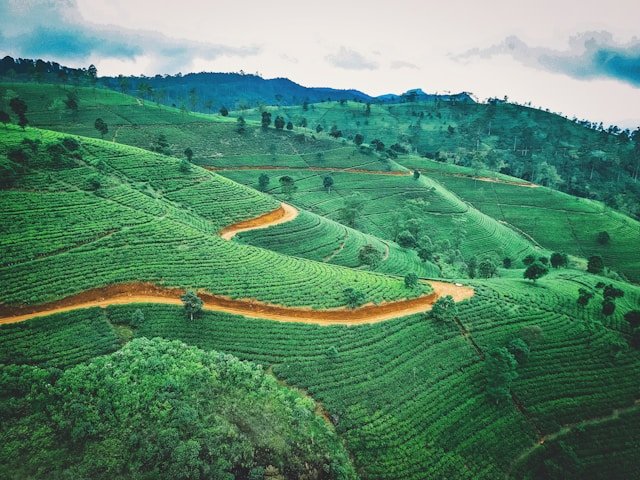
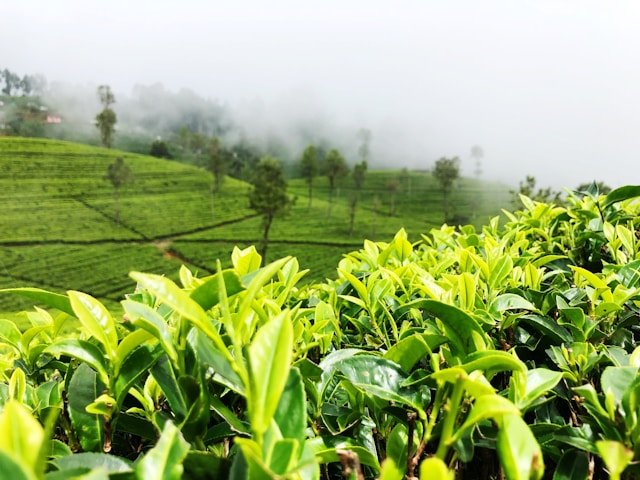
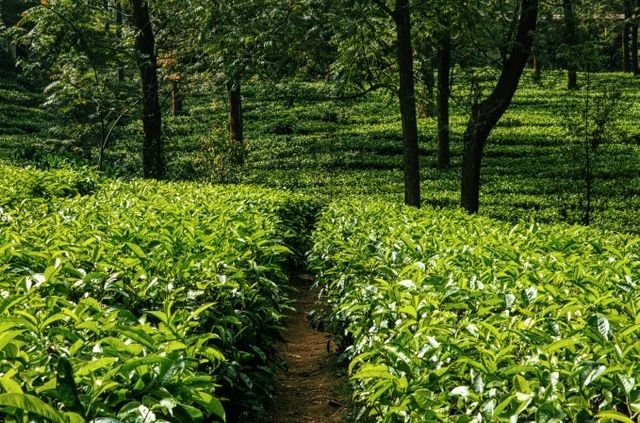
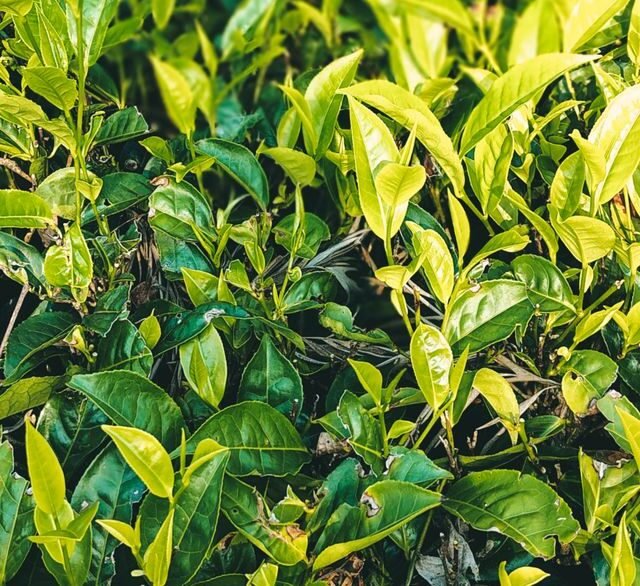
Sri Lanka may be a relatively small island, but it has an incredible variety of landscapes. Travel from the warm southern plains to the cool misty mountains, and you’ll experience dramatic changes in climate, altitude, and rainfall. These natural differences create ideal conditions for growing tea with unique flavors.
That is why tea from different parts of Sri Lanka tastes different.
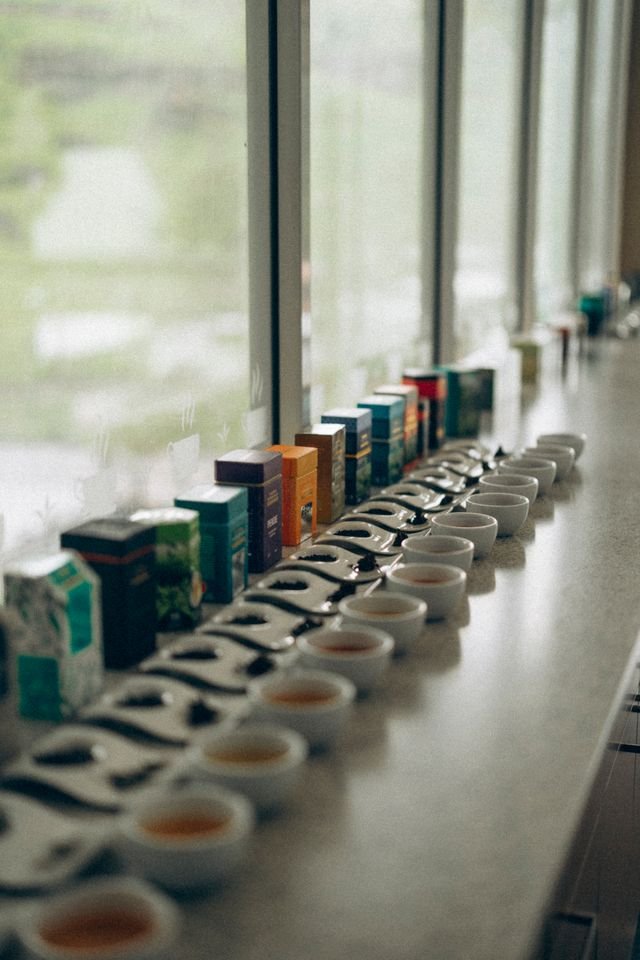
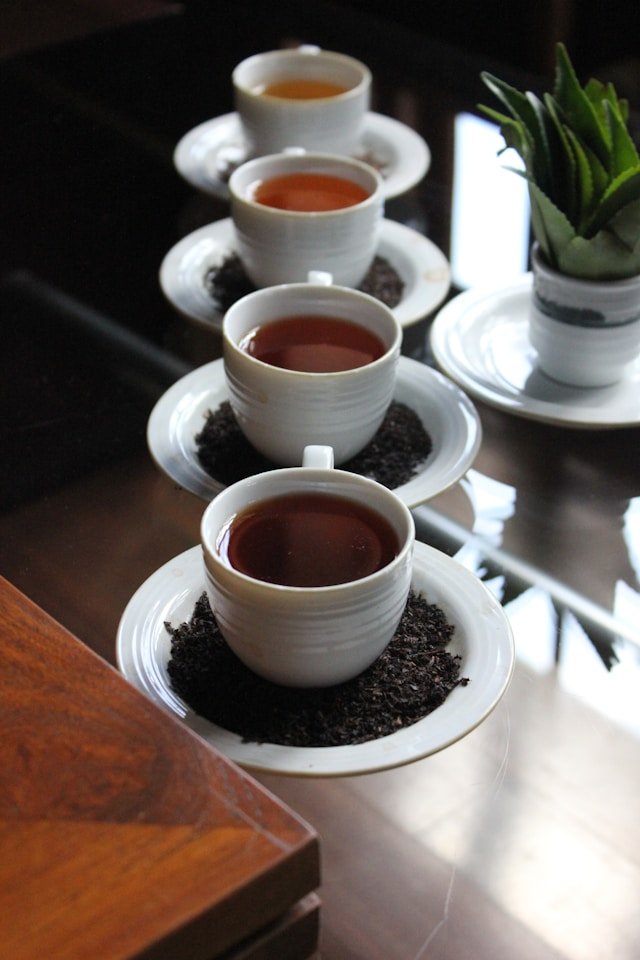
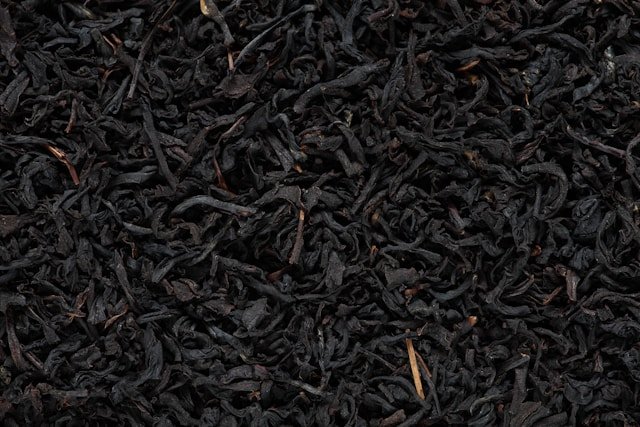
Tea grown in Nuwara Eliya is light, delicate, and floral. Tea from Uva is known for its bright aroma, while Kandy produces rich, full-bodied teas. Southern regions such as Ruhuna are famous for stronger, darker brews. Together, these regions give Sri Lanka one of the most diverse tea industries in the world.
Why Ceylon Tea Is So Famous?
One of the reasons Ceylon Tea has earned such a strong reputation is the care that goes into producing it.
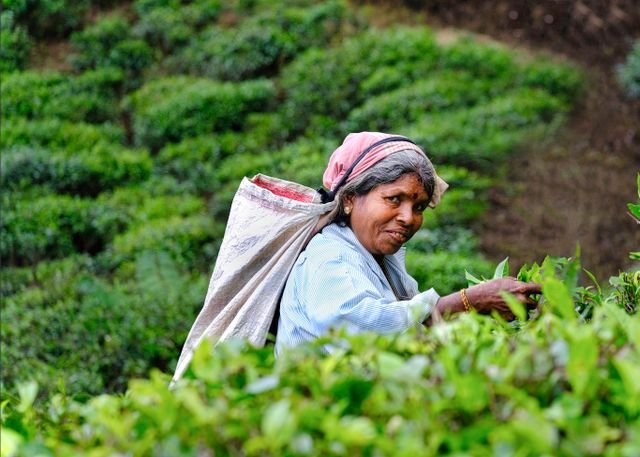
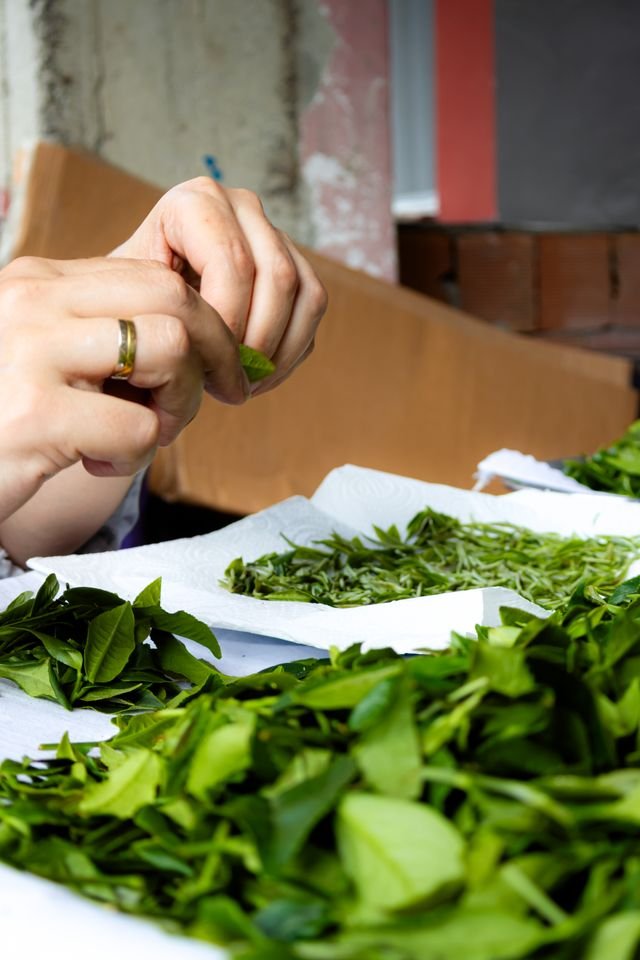
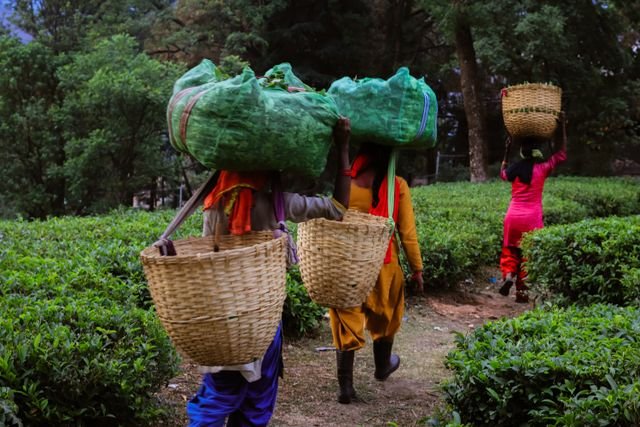
Even today, much of Sri Lanka’s tea is still hand-plucked. Skilled tea pluckers carefully pick only the youngest leaves and buds, helping preserve the quality that Ceylon Tea is known for. After harvesting, the leaves are processed, graded, and carefully packed before being exported around the world.
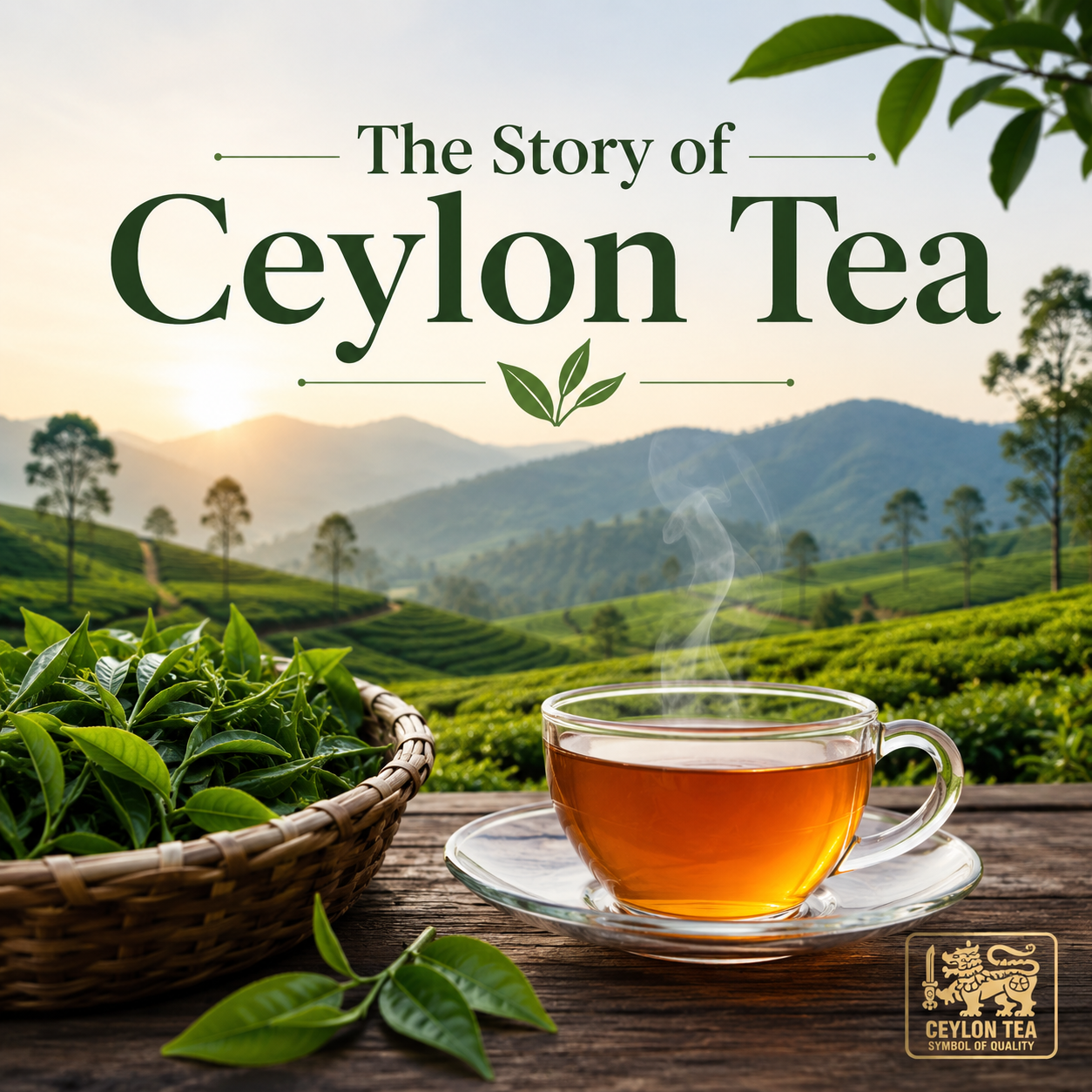
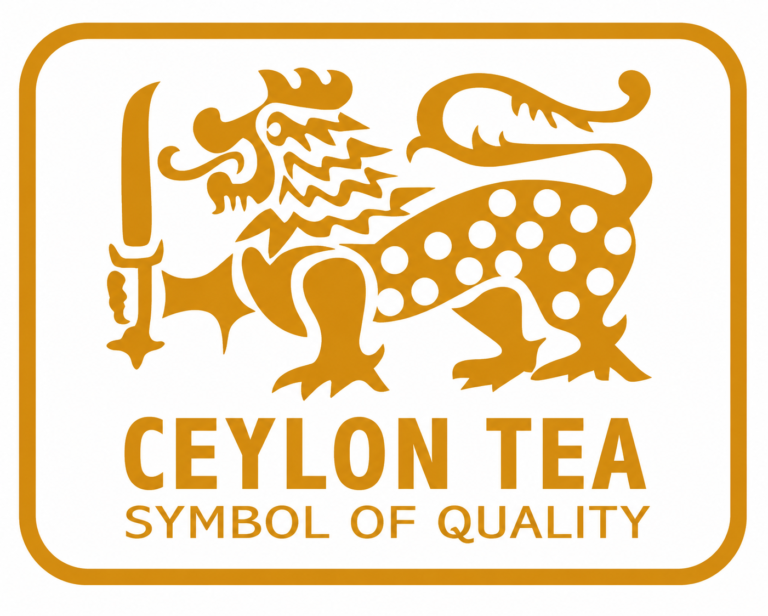
The famous Lion Logo, found on certified packs of Pure Ceylon Tea, guarantees that the tea was grown in Sri Lanka and meets the quality standards set by the Sri Lanka Tea Board.
A Brand That Travels the World
Although Ceylon tea is grown in Sri Lanka, most of it is enjoyed far beyond its shores. Every year, the country exports hundreds of millions of kilograms of tea to more than 140 countries, making Sri Lanka one of the world’s leading tea exporters.
From the Middle East and Europe to Japan, Australia, and North America, millions of people start their day with a cup of Sri Lankan tea, often without realizing where it came from. For many people overseas, Ceylon Tea is one of the first things they associate with Sri Lanka.
How Ceylon Tea Shapes the Nation?
The industry supports the livelihoods of over a million Sri Lankans, from plantation workers and factory staff to transport companies, exporters, and small businesses.
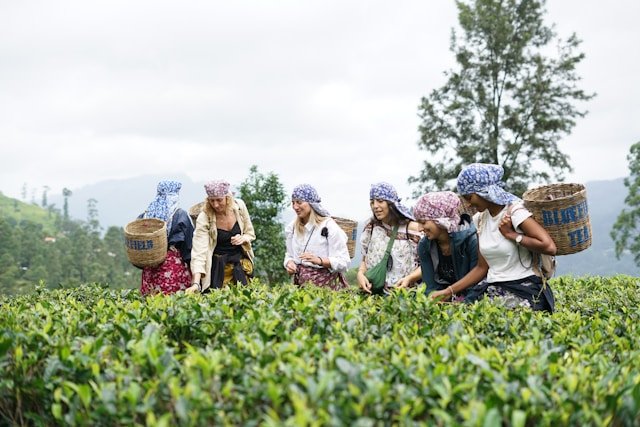
It has also become an important part of tourism. Every year, visitors travel to the hill country to walk through endless green tea fields, tour historic factories, and enjoy a freshly brewed cup overlooking the mountains. Places like Nuwara Eliya, Ella, Haputale, and Hatton have become must-visit destinations for tea lovers from around the world.
A Taste of Sri Lanka
For over a century and a half, Ceylon Tea has carried the name of Sri Lanka to every corner of the world. It represents the island’s rich natural beauty, generations of skill, and a proud agricultural heritage.
Whether you’re sipping a strong breakfast tea or enjoying a delicate afternoon brew, you’re tasting a tradition that began in Sri Lanka’s misty hills and continues to bring the island’s story to millions of cups every single day.
In many ways, Ceylon Tea isn’t just a drink. It’s one of Sri Lanka’s greatest ambassadors.