

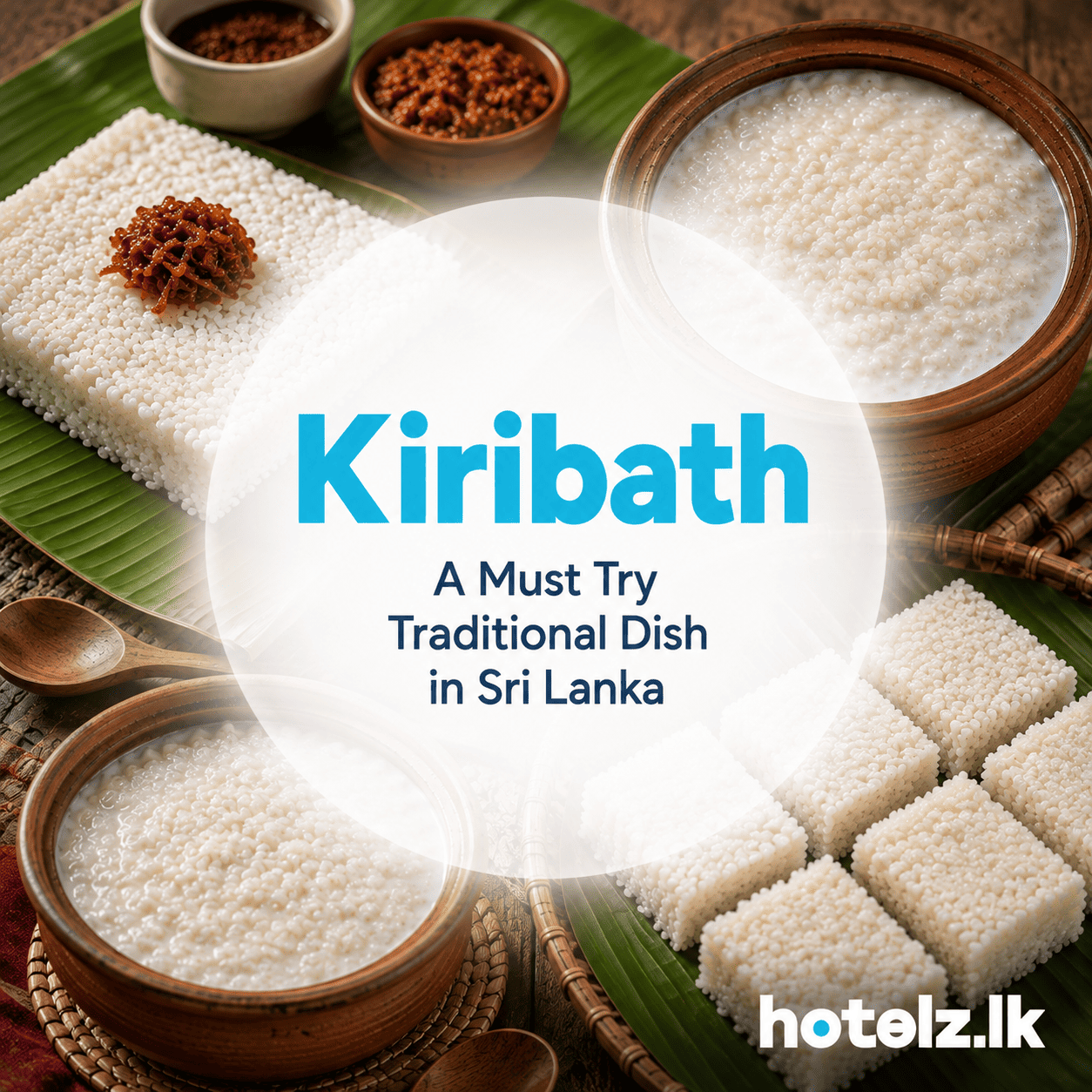
Kiribath: A Must Try Traditional Dish in Sri Lanka
If you’re visiting Sri Lanka, Kiribath or Milk Rice is a must try traditional dish in the country. It is one of those foods that most Sri Lankans immediately associate with home, family and special moments.
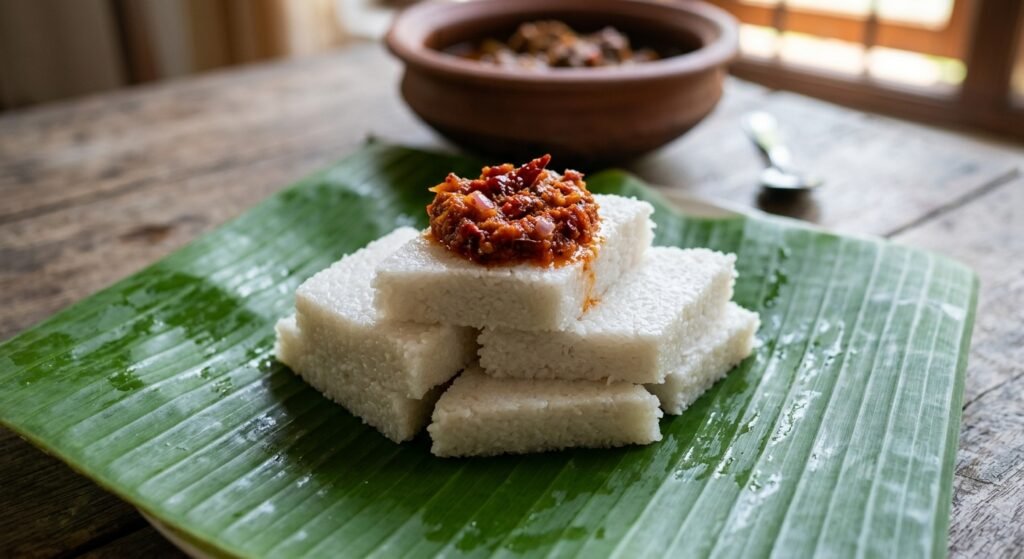
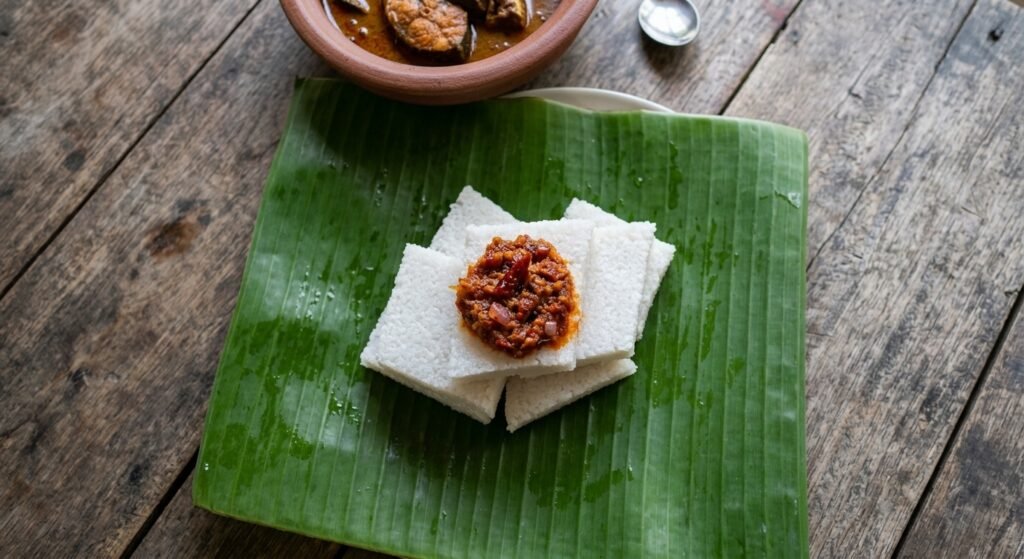
The word kiribath comes from two Sinhala words: kiri, meaning milk, and bath, meaning rice. As the name hints, Kiribath is made by cooking rice until soft and combining it with coconut milk and salt. The mixture is then spread onto a flat plate or tray, pressed down and cut into its familiar diamond-shaped pieces. The finished dish is soft, rich and gently flavoured.
Why Is Kiribath So Important in Sri Lanka?
In Sri Lanka Kiribath is strongly associated with new beginnings and good fortune. For many Sri Lankans, serving kiribath is a way of marking the beginning of something important.
It is traditionally served during the Sinhala and Tamil New Year, but also families may prepare it when moving into a new house, starting an important new chapter or celebrating a special occasion.
It is a good example of how food in Sri Lanka can carry meaning without needing to be complicated.
How Is Kiribath Eaten?
What makes this simple dish more interesting is what it is served with. Its mild, creamy flavour makes it a good match for both spicy and sweet accompaniments.
- Lunu Miris – Kiribath and lunu miris are the classic combination. The spicy sambol, made mainly with chilli, onions and salt, adds a sharp kick to the soft and creamy rice.
- Seeni Sambol – Seeni sambol offers a sweeter option. Its slow-cooked onions bring a sweet and savoury contrast to the richness of the coconut milk.
- Katta Sambol – For those who enjoy more heat, katta sambol is another popular choice.
- Jaggery – Kiribath can also be eaten as a sweet dish. A piece of jaggery alongside warm kiribath is a simple and popular combination.
How to Make Traditional Sri Lankan Kiribath
The recipe itself is very simple. But tricky part is getting the right texture. The rice should be soft and slightly sticky rather than separate and fluffy.
A Dish That Tells You Something About Sri Lanka
Kiribath is not a dish designed to impress with a long list of ingredients. It represents something at the heart of Sri Lankan cuisine: simple ingredients transformed into food with deep cultural meaning. If you visit Sri Lanka, don’t miss the opportunity to try it
For visitors, it is an easy dish to overlook. It does not have the colour of a curry or the visual appeal of a Sri Lankan street-food favourite. But try it in the right setting, freshly prepared, with spicy lunu miris or sweet seeni sambol and it becomes much easier to understand why it has remained such an important part of Sri Lankan life.
Sometimes, the most memorable foods are also the simplest.