
Top 5 Colonial Heritage Hotels in Kandy
Kandy is famous for its ancient temples, Kandyan traditions and beautiful hills, but the city also carries a fascinating colonial history. During the British period, old residences, grand bungalows and historic buildings were turned into homes, administrative buildings and hotels. As a result, Kandy is home to a number of unique colonial heritage stays.
Some of these properties have survived for more than a century and are still welcoming travellers today. Staying in one of these Colonial Heritage stays is a chance to experience a different side of Kandy, one shaped by both the old Kandyan Kingdom and the colonial era.
Here are five colonial heritage hotels and historic stays that stand out in Kandy.
1. Queen’s Hotel
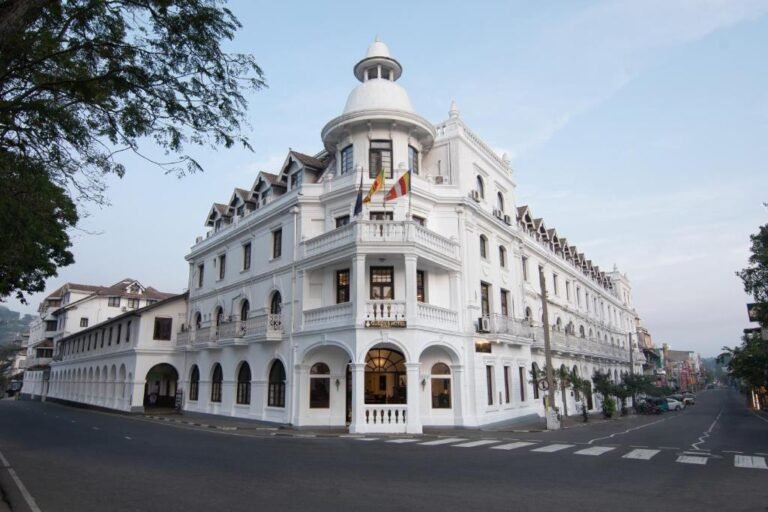
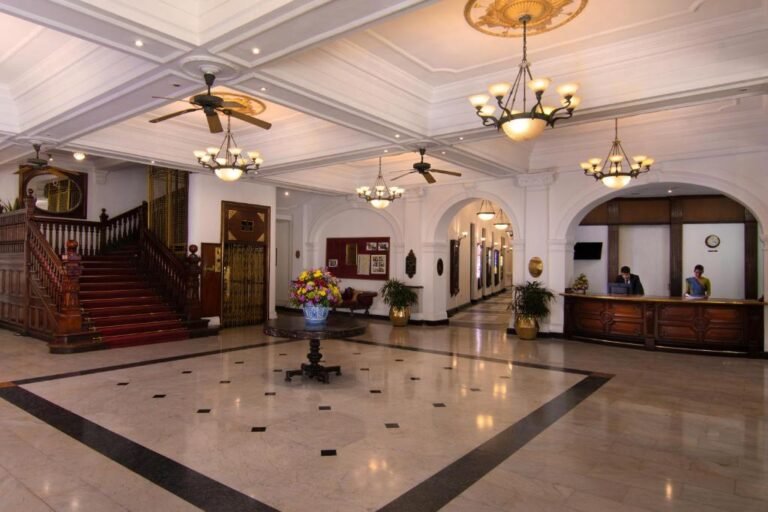
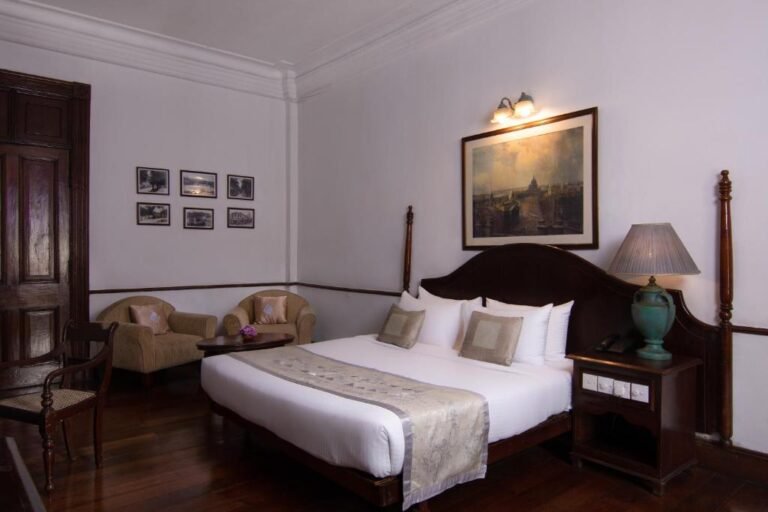
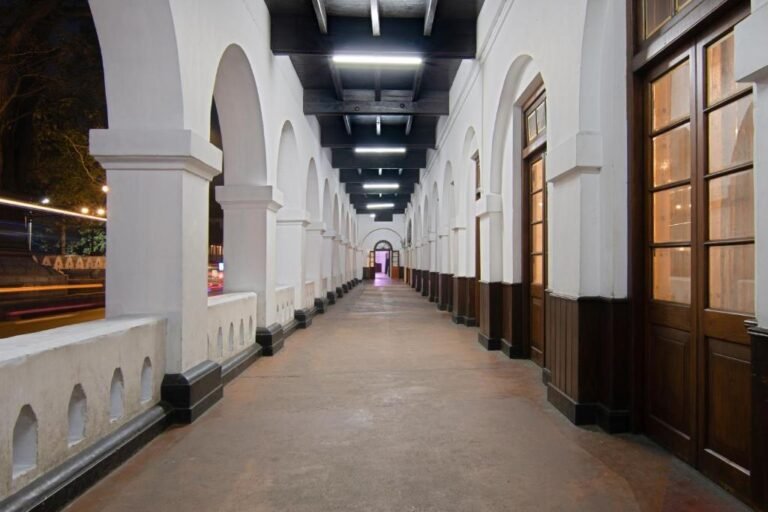
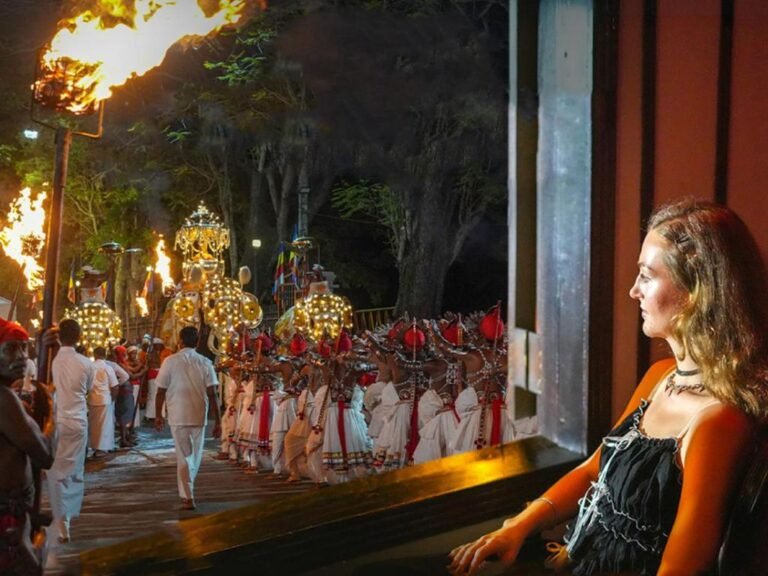
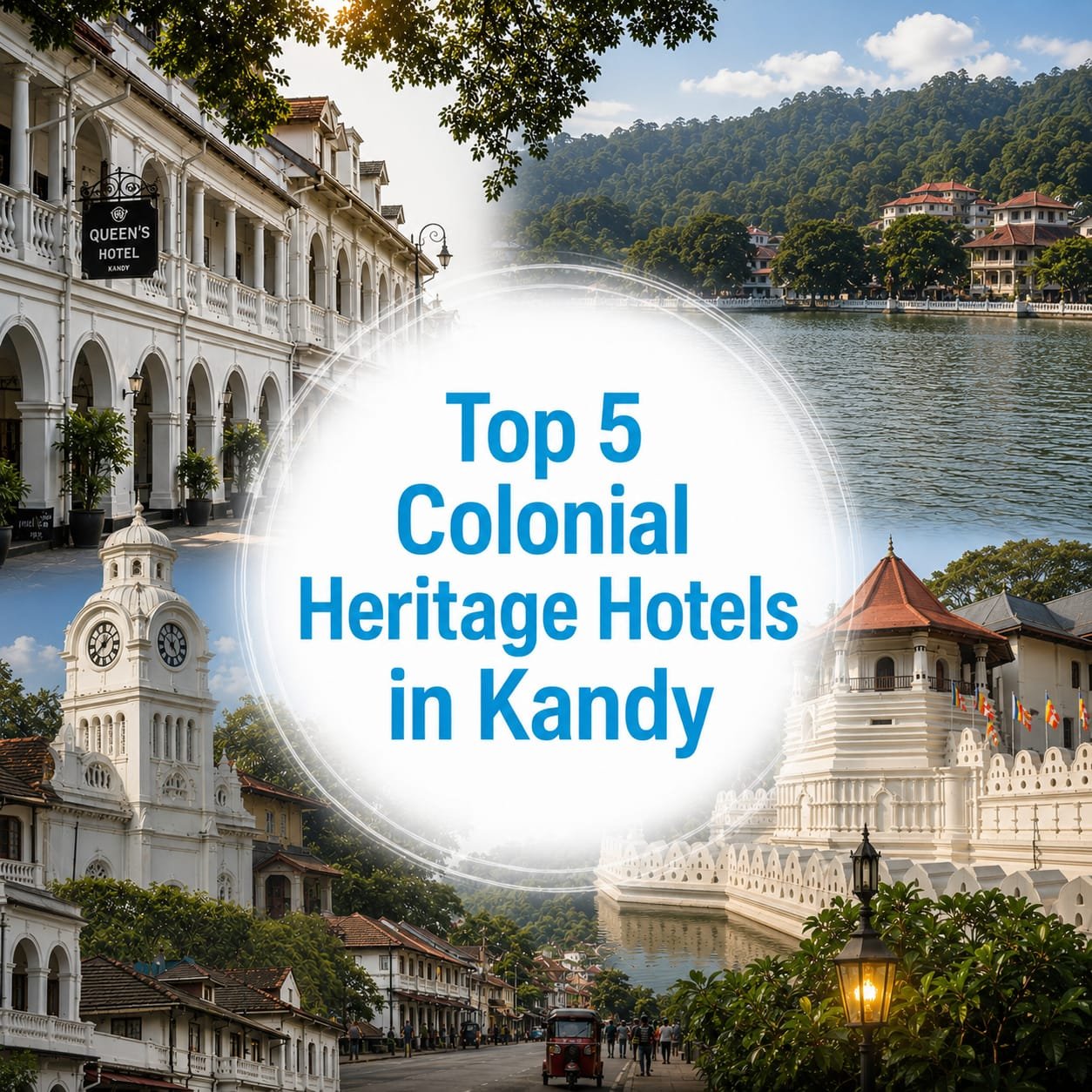
Queen’s Hotel is one of Kandy’s oldest and most recognisable colonial-era hotels, with a history that goes back much further than its opening as a hotel in 1869.
The building was originally constructed as Dullawe Walauwa, a residence associated with the Kandyan aristocrats during the reign of King Sri Wickrama Rajasinha, the last king of Kandy. After the British captured Kandy in 1815, it became a residence for the British Governor and was later used for other colonial purposes before becoming a hotel.
The property was officially opened as Queen’s Hotel in 1869, and major additions were made in the late 19th century as Kandy developed into an important destination for British travellers. Today, Queen’s Hotel has 90 rooms, including five suites, along with two restaurants and a coffee shop. The property combines its historic setting with the facilities expected of a modern hotel.
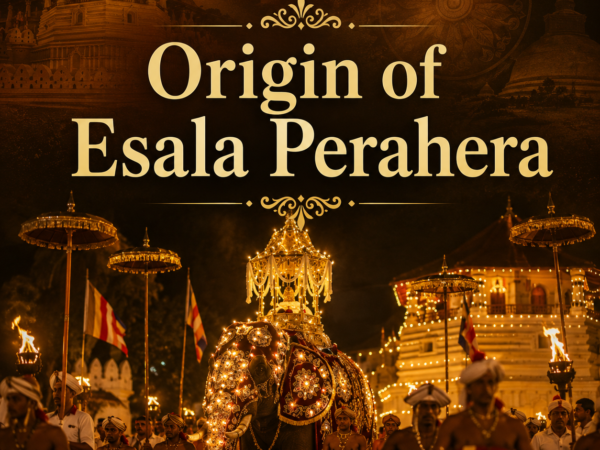
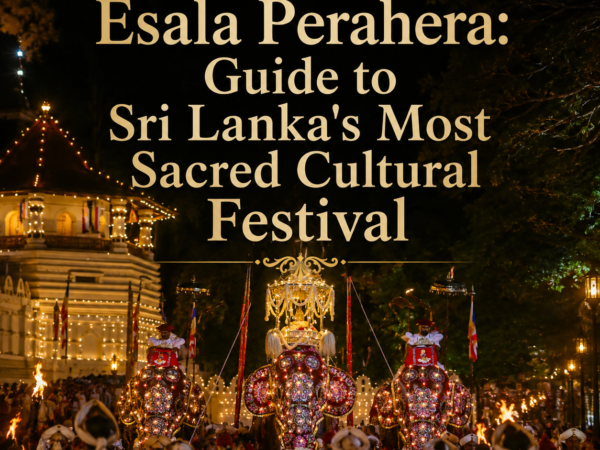
Its location is perhaps its biggest attraction. The hotel stands beside Kandy Lake and directly opposite the Temple of the Sacred Tooth Relic, placing guests in the centre of historic Kandy. It also offers a particularly good location for experiencing the Kandy Esala Perahera, as the procession passes along the road in front of the hotel.
Why it stands out: Few hotels in Kandy combine Kandyan royal history, British colonial history and such a central historic location in one property.
2. Hotel Suisse Kandy
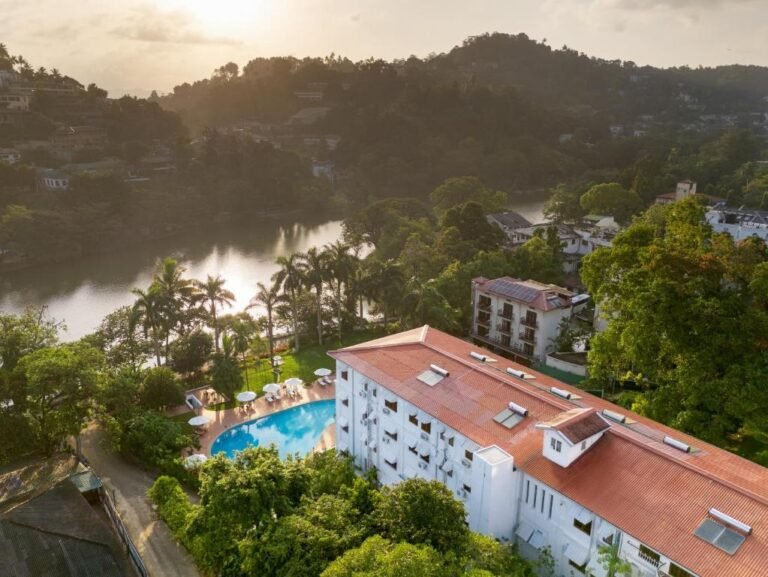
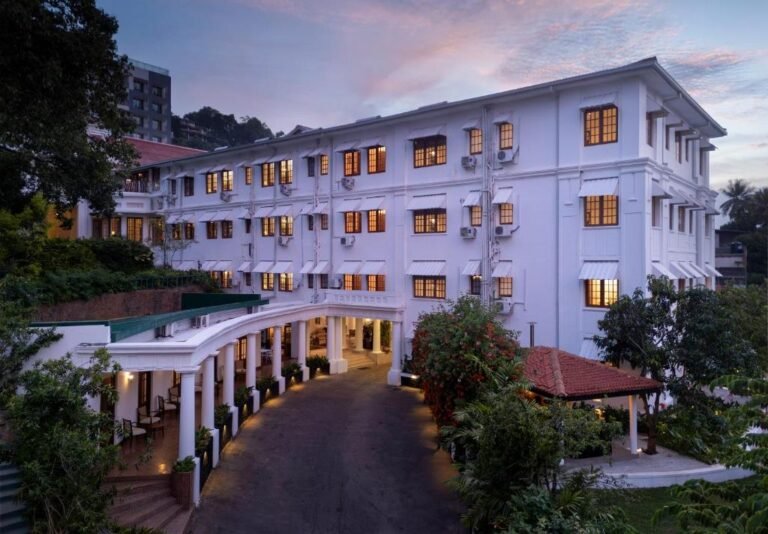
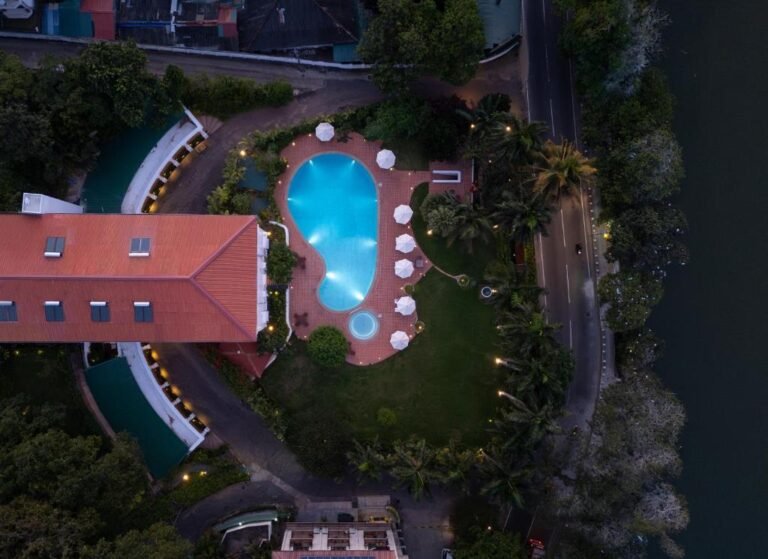
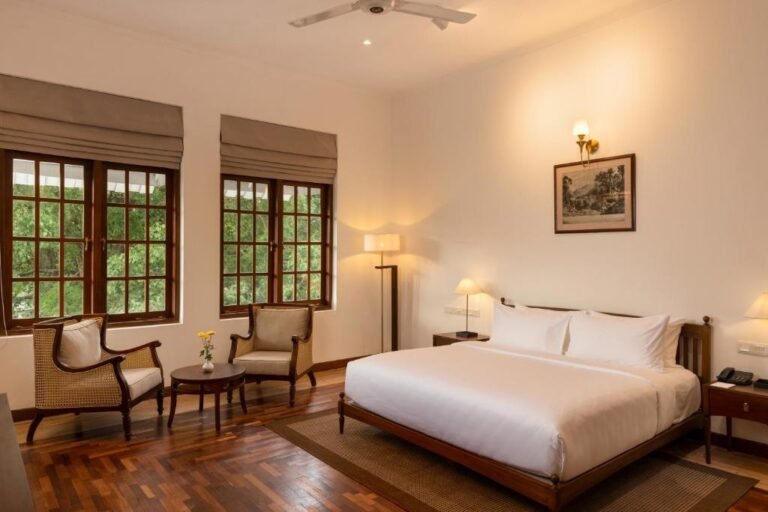
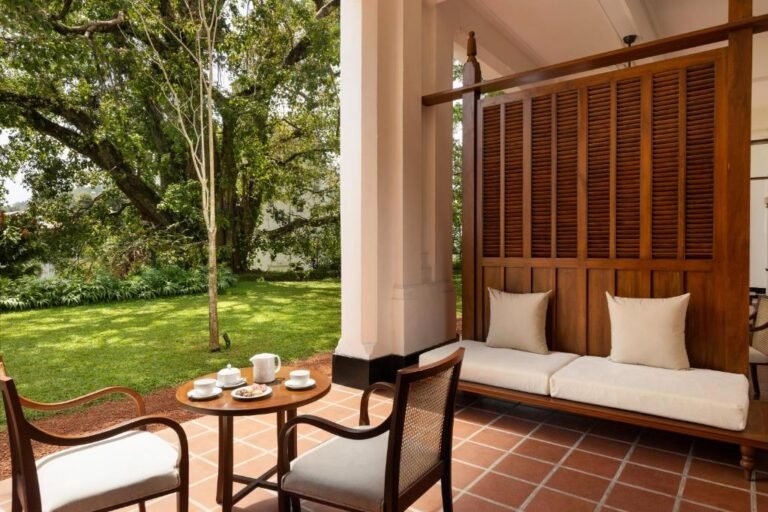
Hotel Suisse has had quite a few lives. What is now a colonial-style heritage hotel beside Kandy Lake began as the 17th-century residence of Pilimatala Gabada Nilame, Chief Minister of the Royal Granary during the Kandyan Kingdom.
After the British took control of Kandy in 1818, the property was confiscated and renamed Haramby House. Over the following decades it became a private residence, the home of the Kandy Club and, eventually, a guesthouse run by Swiss hotelier Jeanne Louisa Burdayron from 1924. At one point, the building even served as a maternity ward for the wives of tea and plantation managers.
Its most remarkable chapter came during World War II. From 1944 to 1945, Hotel Suisse was used as the headquarters of the South East Asia Command, under Lord Louis Mountbatten.
Today, the restored property retains its colonial character while offering modern accommodation. It has 88 rooms, including eight suites, and sits within nearly four acres of landscaped gardens beside Kandy Lake.
What makes it special: Hotel Suisse is not simply a colonial-era hotel. Its history covers the Kandyan Kingdom, British rule, the plantation era and World War II, all within the same historic building.
3. The Elephant Stables
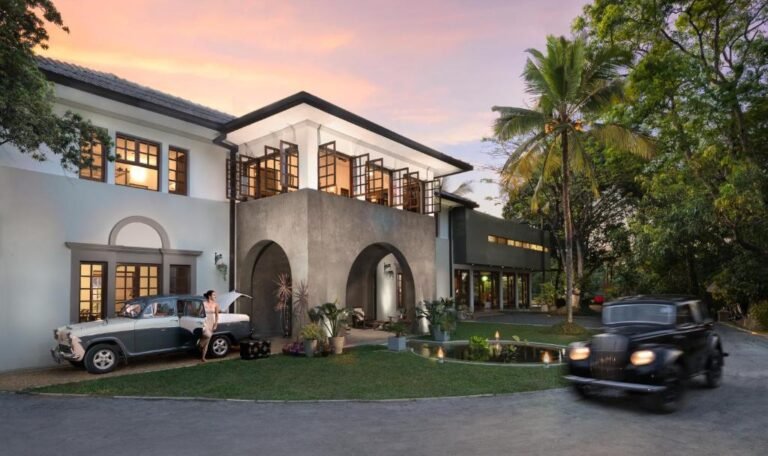
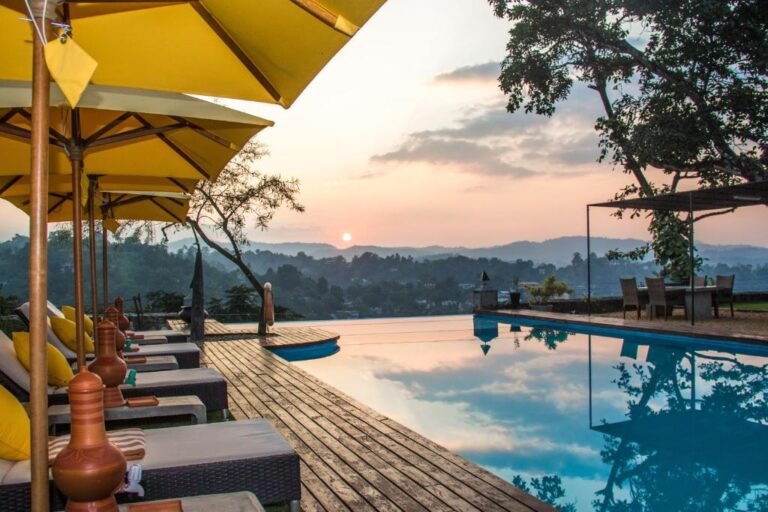
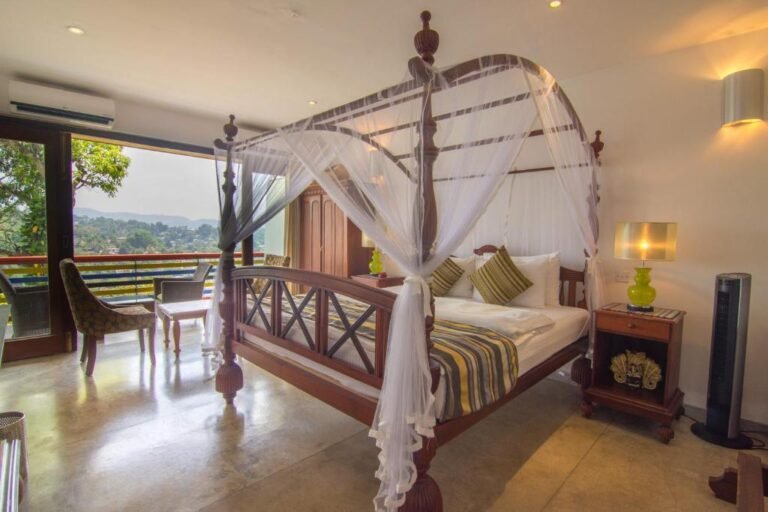
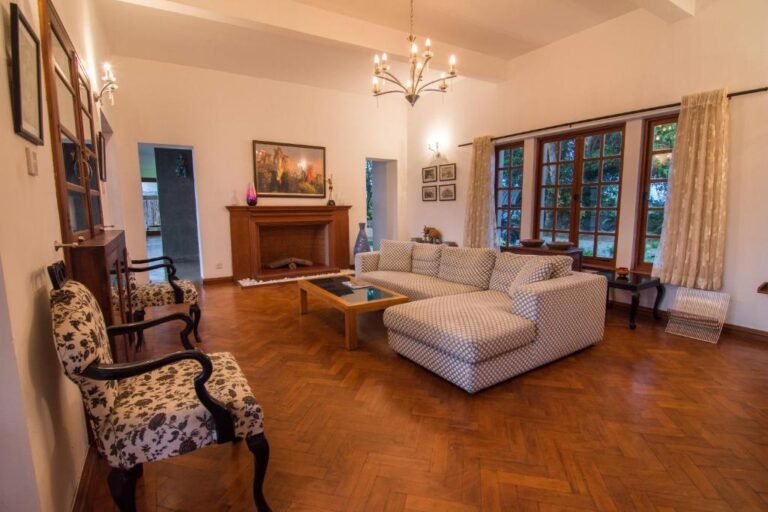
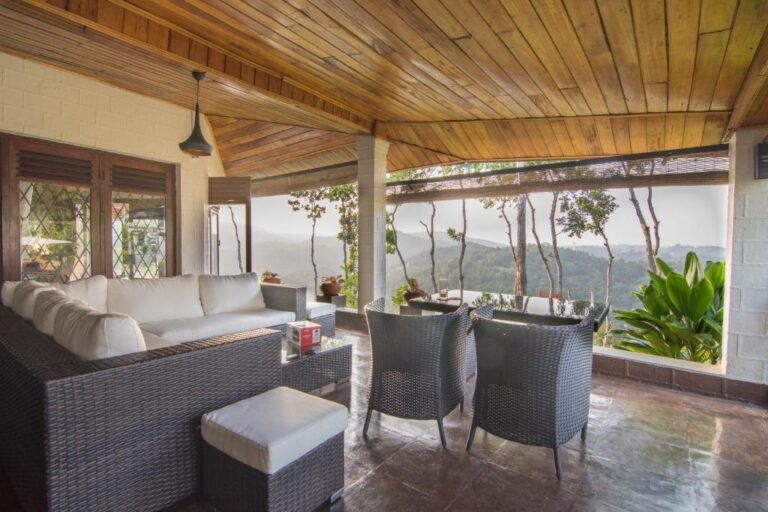
Away from the busy centre of Kandy, The Elephant Stables offers a much more intimate way to experience the city’s colonial past. Set on a hill overlooking the city, the property is a restored colonial bungalow that was once the home of Sir Cudah Ratwatte, the patriarch of one of Sri Lanka’s prominent aristocratic families.
The name itself comes from the property’s past. Elephants were once kept in the gardens of the Ratwatte family’s plantation, giving the old residence the name it still carries today.
The property is only about 10 minutes from central Kandy, but its private-road setting makes it feel considerably more secluded. Today, the bungalow operates as a small boutique hotel, with seven rooms and suites combining colonial character with more modern design. Four-poster beds, teak furniture and spacious verandahs help retain the atmosphere of the original residence, while the hilltop setting gives views towards the Knuckles Mountains.
Interesting fact: The Elephant Stables also operates the historic Riverdale Bungalow, around 4 km from the main hotel. The bungalow was used for filming scenes from David Lean’s The Bridge on the River Kwai (1957).
What makes it special: Rather than feeling like a large colonial hotel, The Elephant Stables gives visitors the experience of staying in a historic Kandyan aristocratic home, surrounded by gardens and hill-country views.
4. Castle Hill Bungalow
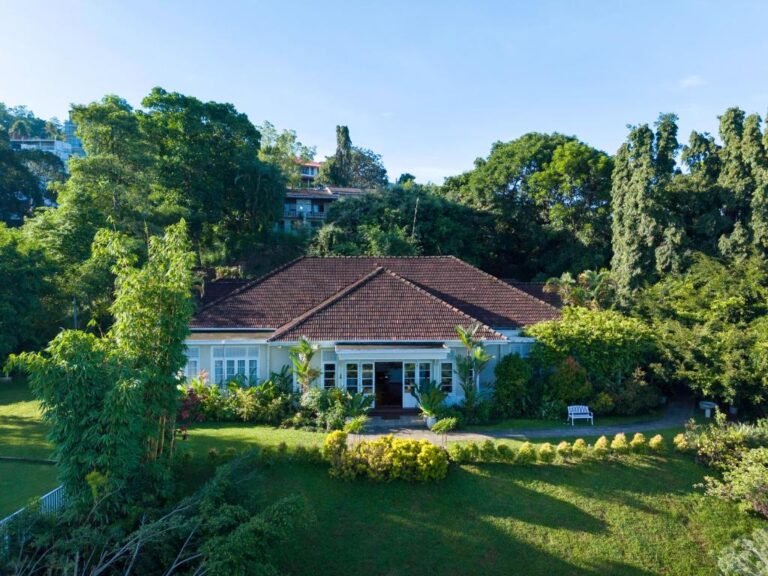
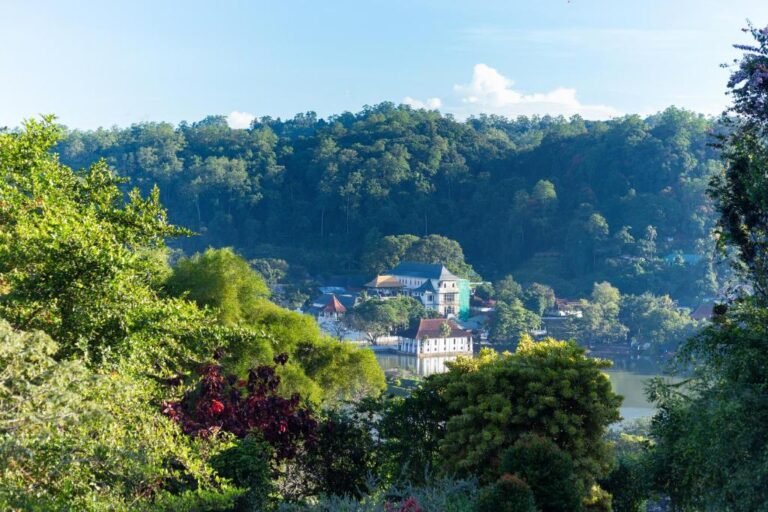
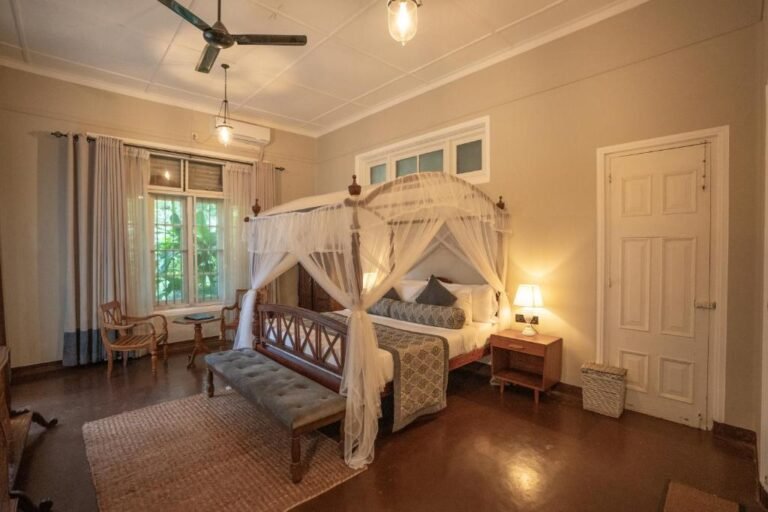
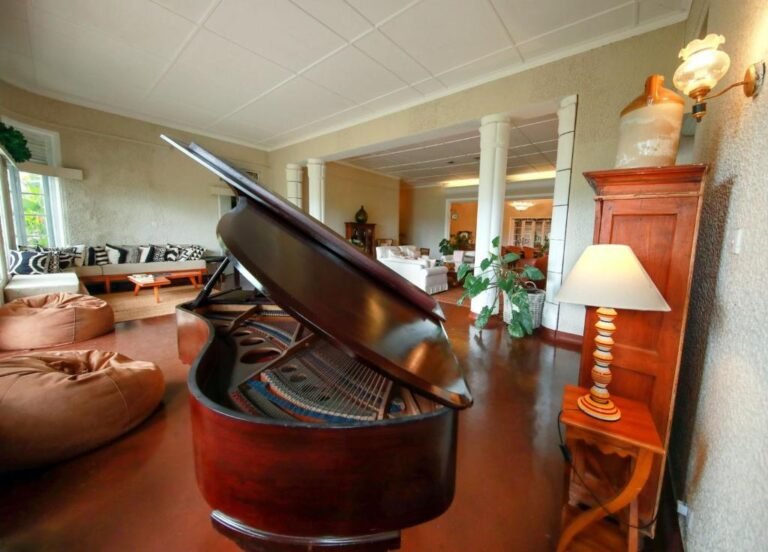
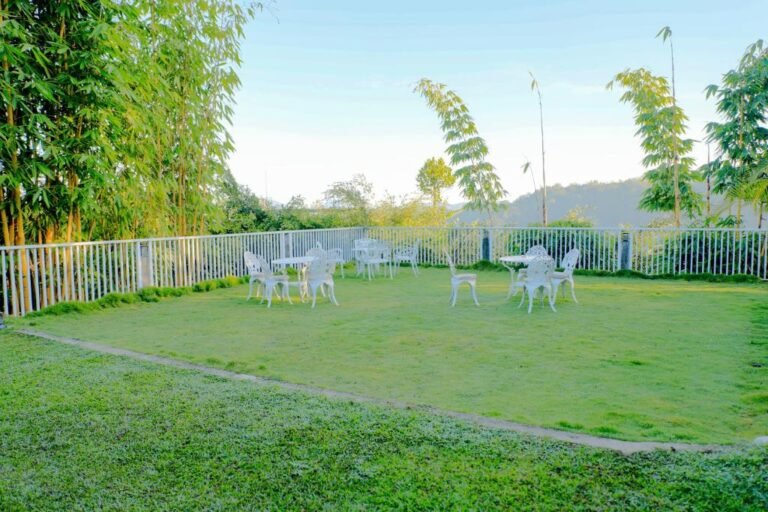
Located on Rajapihilla Mawatha, Castle Hill Bungalow Kandy by Seven Angels feels more like a private colonial residence than a conventional hotel. The bungalow was built in 1928 during the British period, and its hilltop position gives it sweeping views over Kandy, including Kandy Lake and the surrounding mountains.
The bungalow still carries the character of the British Colonial period. High ceilings, wide verandas, four-poster beds, old porcelain and period-style furnishings give the house the feel of an early 20th-century colonial residence rather than a purpose-built hotel.
What was once a private colonial home is now an intimate boutique retreat, giving visitors the chance to experience the atmosphere of an old Kandy residence while staying close to the city’s main attractions. Today, its accommodation is divided into four categories (Raja, Maha, Pandita and Andare) with some rooms facing Kandy and the lake while others overlook the garden.
The location also makes it convenient for exploring the city, with the Temple of the Sacred Tooth Relic and Kandy Lake close by.
What makes it special: Castle Hill offers a chance to experience the atmosphere of a 1920s colonial residence, with period details and elevated views over historic Kandy.
5. Mountbatten Bungalow
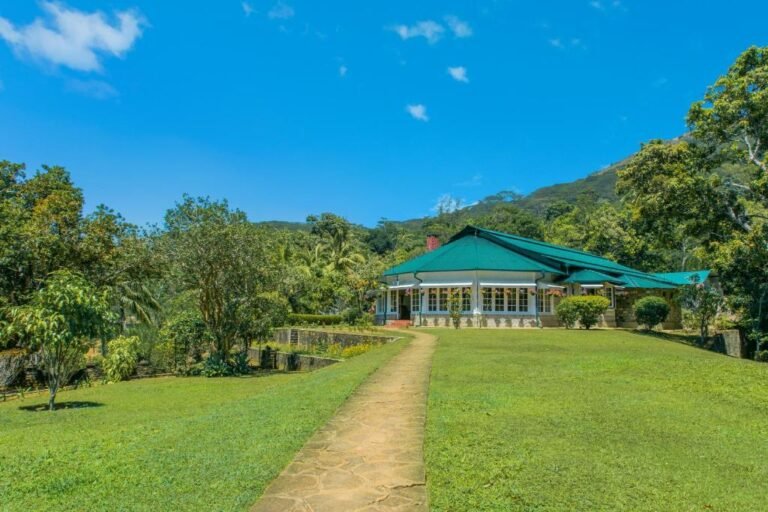
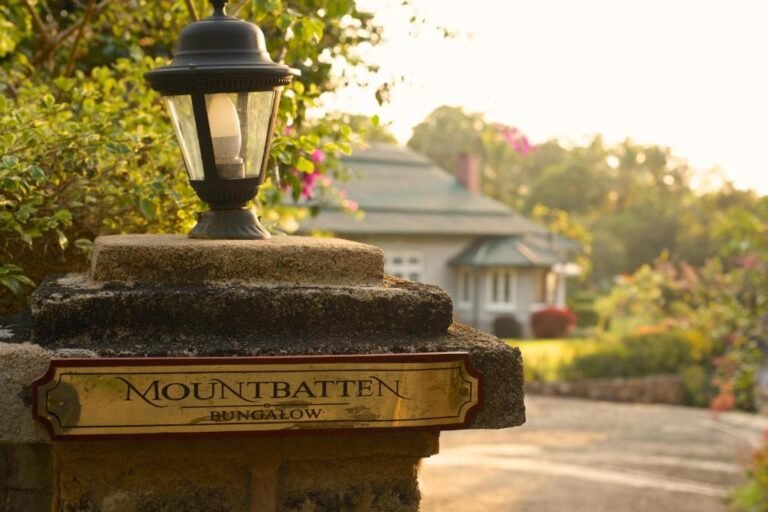
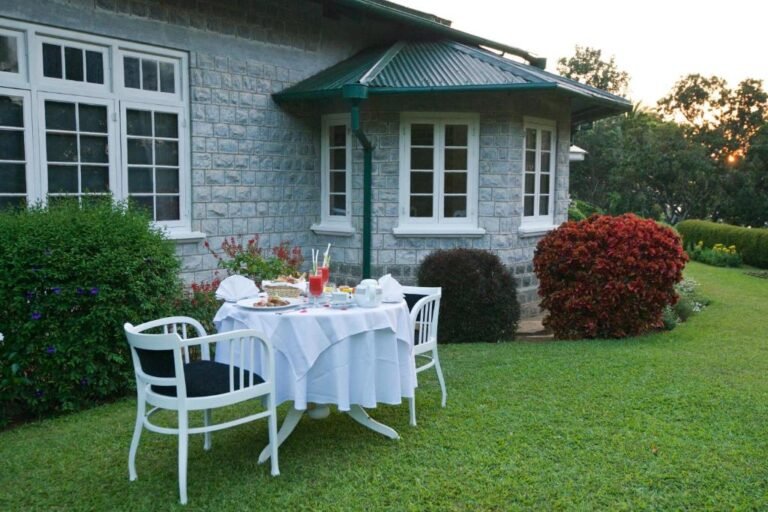
Set high in the hills above Kandy, Mountbatten Bungalow by Thema Collection offers a different kind of colonial experience from the grand hotels in the city centre.
The property was built as a Victorian-era country bungalow around 15–20 minutes from central Kandy. Sitting within a six acres of gardens and tea plantations and surrounded by views of the valleys and mountains around Kandy, the property gives the feel of a private hill-country estate rather than a conventional hotel.
The bungalow is closely associated with Lord Louis Mountbatten, who used the property as a hillside retreat during World War II while serving as Supreme Allied Commander of the South East Asia Command.
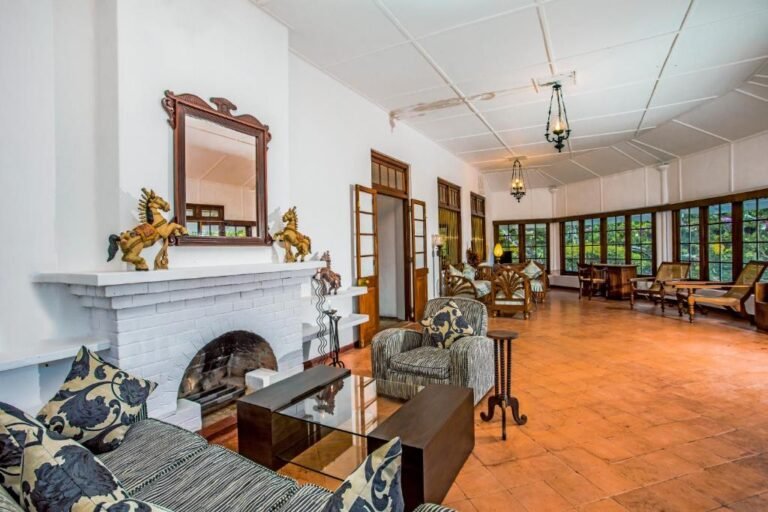
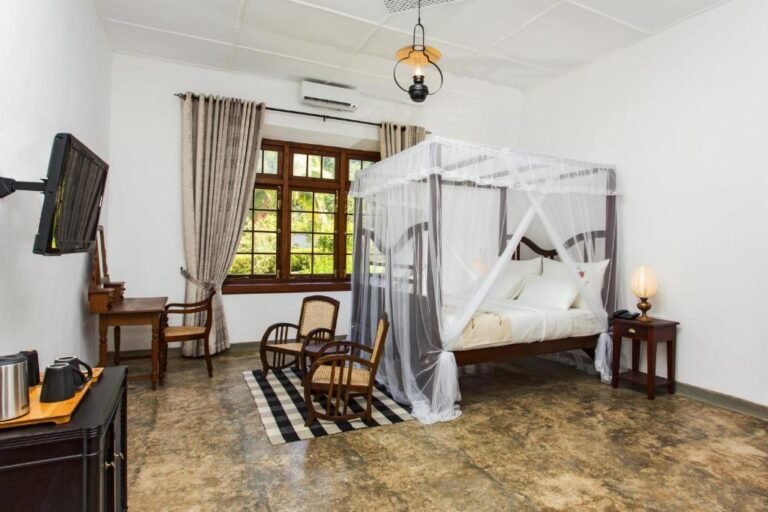
The colonial character continues inside, with four-poster beds, antique-style furniture, high ceilings and spacious verandas. Today, the bungalow operates as a boutique retreat, with an infinity pool overlooking the surrounding landscape and rooms designed around the original character of the property.
What makes it special: Mountbatten Bungalow combines the atmosphere of a Victorian country estate with Kandy’s hill-country landscape, making it one of the more secluded ways to experience the city’s colonial past.
Experience Kandy’s Colonial Past
Kandy’s colonial heritage is not limited to old photographs and historic buildings, it can be experienced in many different ways. At these properties, much of that history is still part of the experience.
At Queen’s Hotel, it meets the history of the last Kandyan king; at Hotel Suisse, it reaches back to the Kandyan Kingdom and the Second World War. The Elephant Stables, Castle Hill Bungalow and Mountbatten Bungalow offer a quieter experience, where old colonial homes and hill-country estates have been turned into intimate places to stay.
Each property has its own story, but they share one thing: they allow travellers to experience a part of Kandy’s history while staying in it.
For visitors interested in architecture, history or simply a different kind of accommodation, these colonial heritage stays offer a way to see Kandy beyond its temples and famous landmarks