

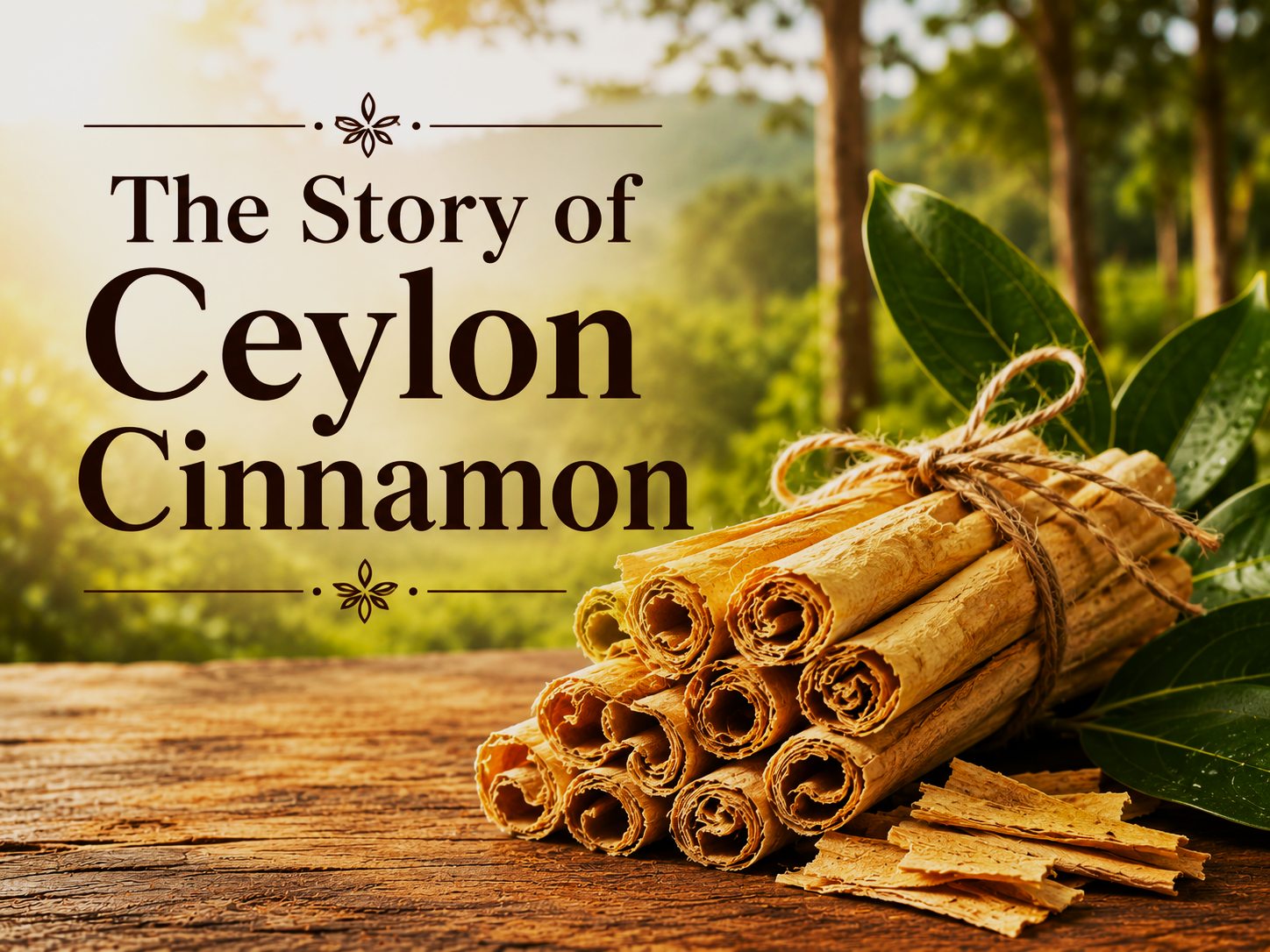
The Story of Ceylon Cinnamon: Sri Lanka’s World-Famous Spice
When the name “Ceylon” is mentioned, most people immediately think of Ceylon Tea, one of the world’s finest teas produced in Sri Lanka. But centuries before Ceylon Tea earned its global reputation, another treasure from the island had already captivated the world: Ceylon cinnamon.
Known as “True Cinnamon,” Ceylon cinnamon has been one of Sri Lanka’s most valuable natural treasures for over two thousand years. Its sweet aroma, delicate flavor, and remarkable history made it one of the world’s most sought-after spices, attracting traders, explorers, and colonial powers from all around the world.
The Spice That Captivated the Ancient World
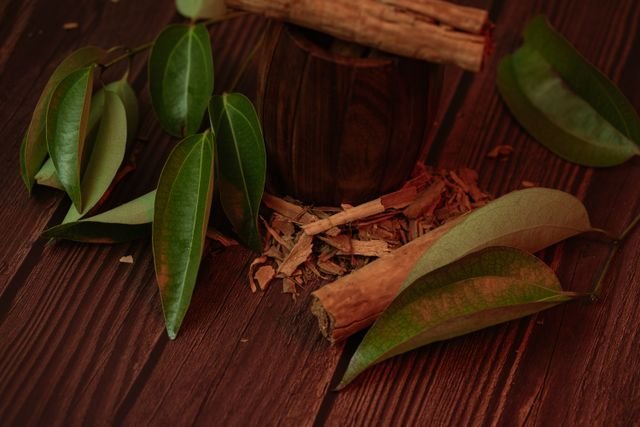
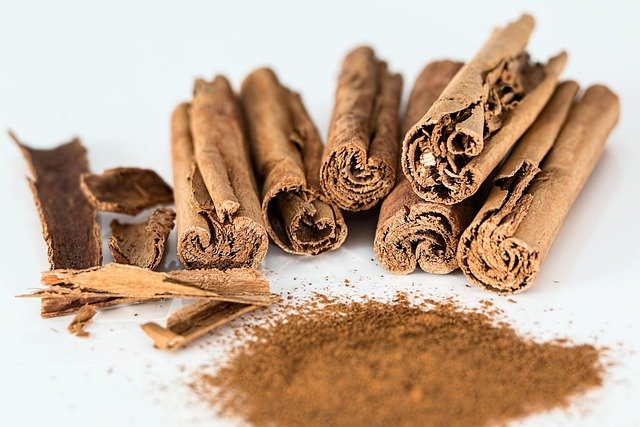
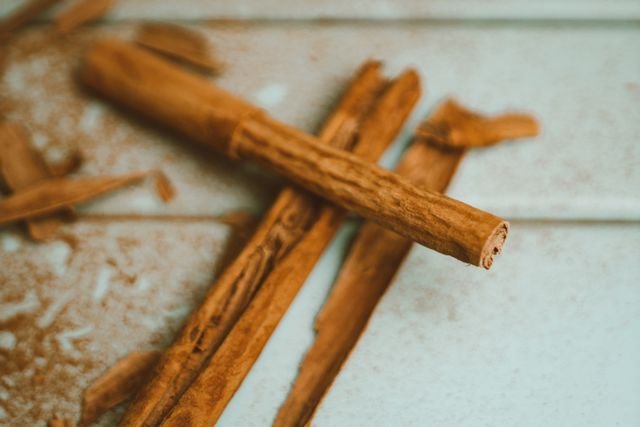
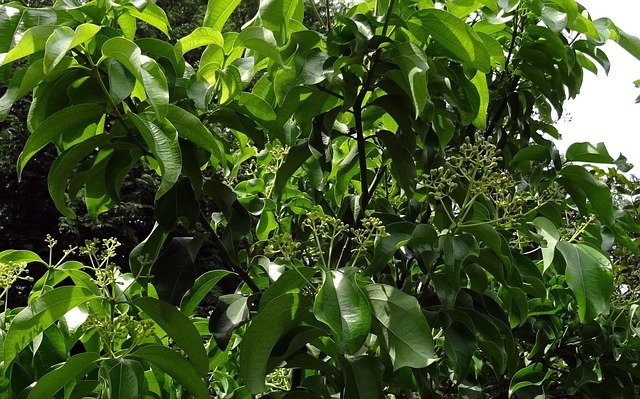
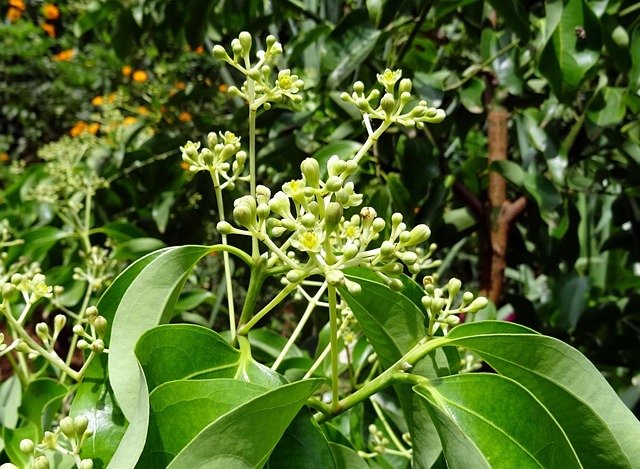
Ceylon cinnamon comes from the inner bark of the cinnamon tree (Cinnamomum verum), a species native to Sri Lanka. Unlike the stronger cassia cinnamon commonly found in supermarkets, Ceylon cinnamon has a naturally sweeter, milder taste and a delicate aroma. Its soft, thin layers of bark are carefully rolled into the light brown quills that have become its signature.
Long before modern trade, cinnamon was considered more precious than many other spices. Ancient Egyptians used it in religious ceremonies and embalming, while the Romans valued it as a luxury item. Arab merchants transported cinnamon across Asia and Europe, carefully guarding its true origin.
For centuries, many Europeans believed it came from mysterious lands filled with mythical creatures, never realizing that its true home was the island now known as Sri Lanka.
How Cinnamon Changed Sri Lanka’s History
The enormous demand for cinnamon transformed Sri Lanka into one of the world’s most important trading destinations.
When the Portuguese arrived in 1505, they quickly recognized the value of cinnamon and established control over many of the island’s cinnamon-producing regions. More than a century later, the Dutch took over the trade and introduced organized cinnamon cultivation instead of relying only on wild forests.
One of the Dutch governors, Iman Willem Falck, encouraged cinnamon plantations around Colombo during the late 18th century. This area later became known as Cinnamon Gardens, a name that remains today even though cinnamon is no longer grown there.
The British continued exporting cinnamon after taking control of the island in 1796. Although cinnamon cultivation later spread to other countries, Sri Lanka retained its reputation for producing the world’s finest quality cinnamon.
Why Ceylon Cinnamon Is Special
Before 1972, Sri Lanka was known as Ceylon, and the name Ceylon Cinnamon became internationally recognized as a symbol of exceptional quality. Even after the country’s name changed, the spice kept its famous name.
Today, Ceylon cinnamon is prized for its smooth, naturally sweet flavor and delicate fragrance. It is softer than cassia cinnamon, making the quills easy to break by hand, and it naturally contains much lower levels of coumarin, a compound found in much higher amounts in cassia cinnamon.
Every cinnamon quill is still produced using traditional techniques. Skilled peelers harvest young stems, carefully remove the outer bark, peel away the thin inner bark, roll several layers together by hand, and leave them to dry naturally. This craftsmanship has been passed down through generations and remains one of Sri Lanka’s proudest traditions.
Ceylon Cinnamon Today
Today, cinnamon is mainly grown along Sri Lanka’s southern and western coastal regions, including Galle, Matara, and Kalutara, where the warm, humid climate creates ideal growing conditions.
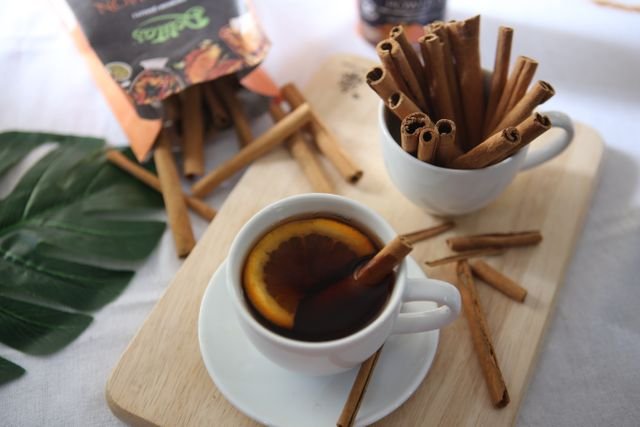
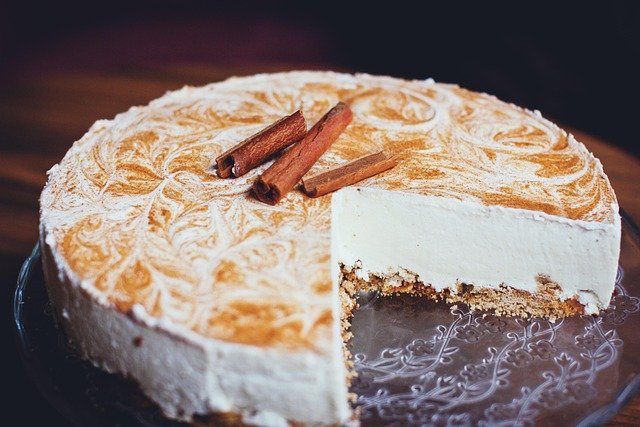
Beyond being one of the country’s most important exports, cinnamon remains an essential part of Sri Lankan cuisine. It is used in curries, rice dishes, desserts, herbal teas, and traditional home remedies. Visitors can even tour cinnamon plantations and watch experienced peelers transform fresh bark into the elegant quills exported around the world.
A Legacy That Lives On
For thousands of years, Ceylon cinnamon has connected Sri Lanka to the rest of the world. It shaped ancient trade routes, attracted colonial empires, and earned a reputation that still stands today.
Although many countries now grow cinnamon, Sri Lanka remains the home of True Cinnamon. Every carefully crafted quill represents centuries of tradition, skilled craftsmanship, and a story that continues to make this remarkable spice one of the island’s greatest treasures.