
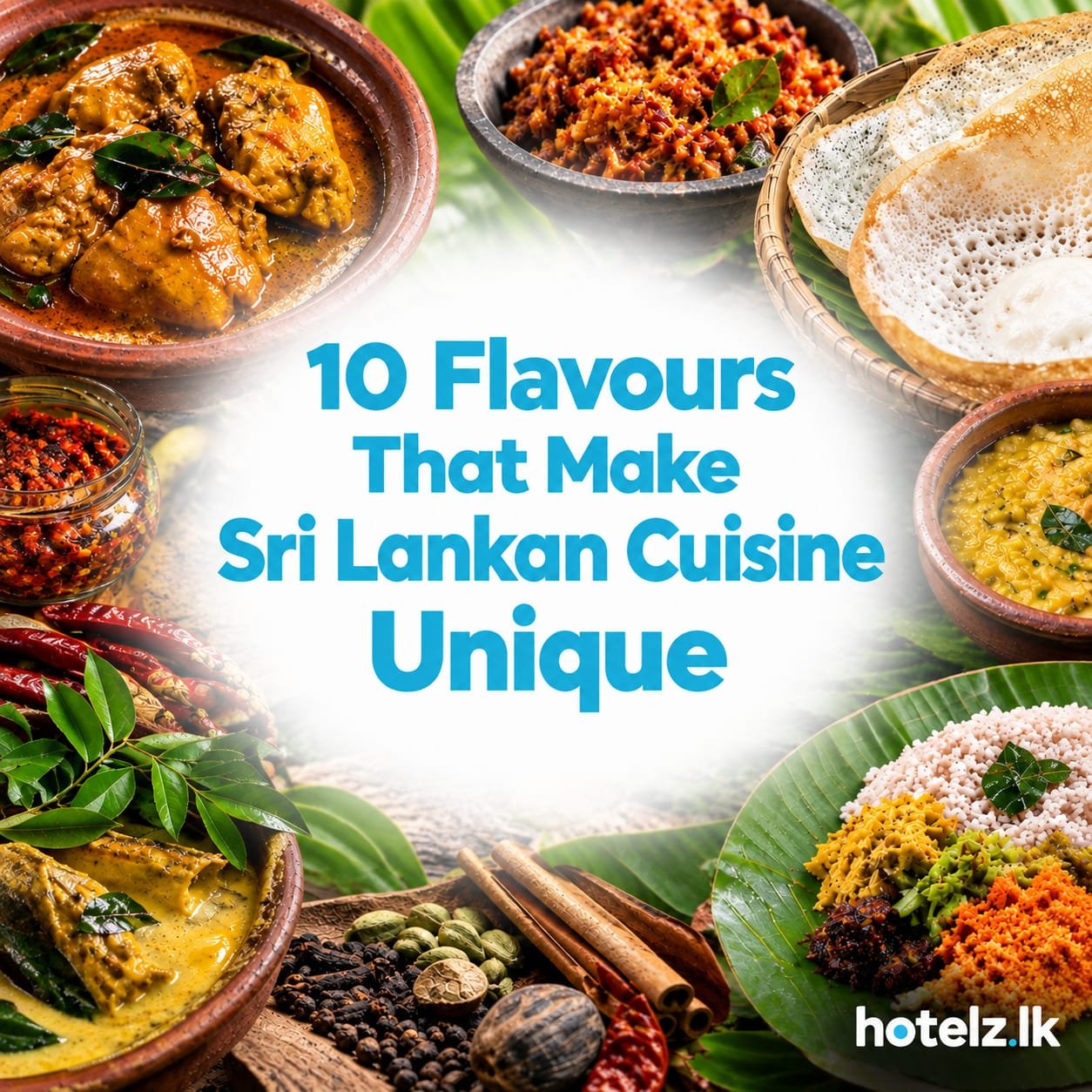
10 Flavours That Make Sri Lankan Cuisine Unique
Sri Lankan food is not simply about hot curries and lots of spices. Its about how completely different flavours combine together to create a single amazing tasting meal.
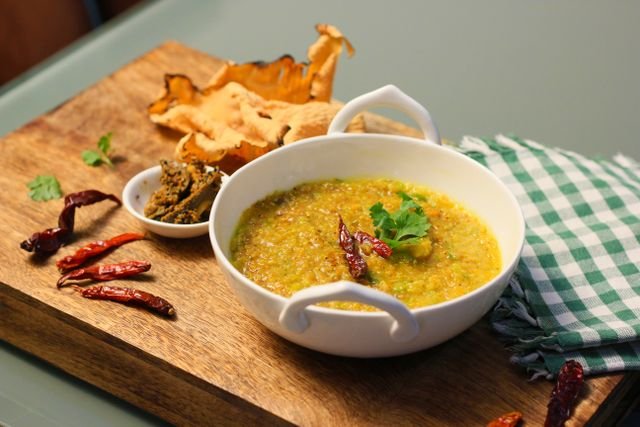
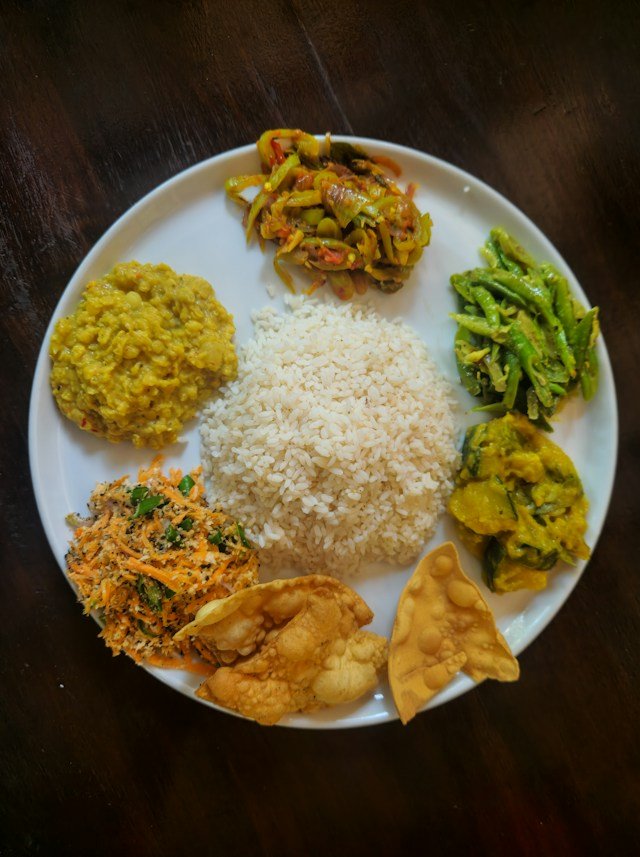
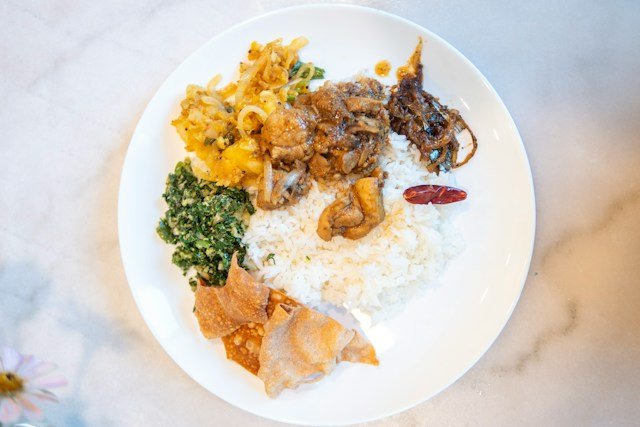
A traditional rice and curry is the best example. One plate might contain a creamy dhal curry, a fiery sambol, a sour fish curry, a mild vegetable curry, fresh greens and something crunchy. Each dish has a different taste, but somehow they work great together.
Some of these flavours in Sri Lankan cuisine might be familiar to travellers, but some are much harder to find outside the island.
Here are 10 flavours that makes Sri Lankan cuisine what it is.
1. Deep and Roasted
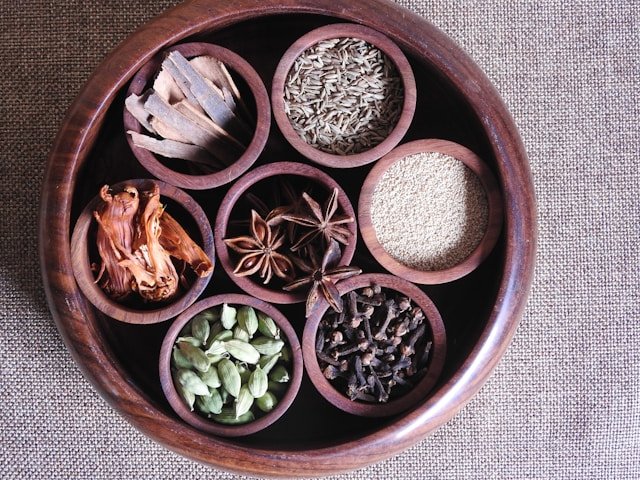
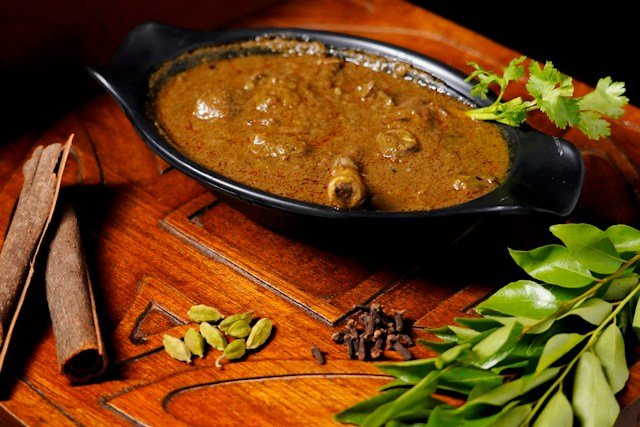
One of the first things you may notice about Sri Lankan curries is their deep, roasted flavour. The major source of this flavour is Sri Lankan curry powder, a blend of dried spices made with coriander, cumin and fennel, with spices such as Ceylon cinnamon, cloves and cardamom.
Sri Lankans use several types of curry powders to match with different foods:
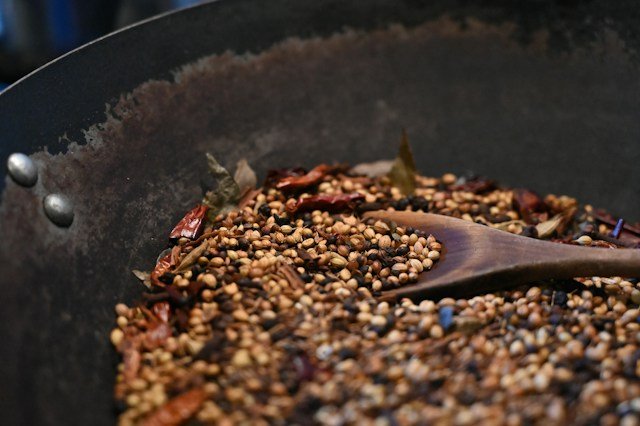
- Roasted curry powder: Spices are roasted until dark and aromatic before being ground, giving curries a deep, earthy and toasted flavour. Commonly used in rich meat curries and darker curries.
- Unroasted curry powder: Spices are sun dried before grounding, producing a fresher flavour that works well with fish, seafood and vegetable curries.
- Jaffna curry powder: A more pungent northern style, usually with a higher amount of dried red chilli.
What it tastes like: Warm, earthy, toasted and aromatic.
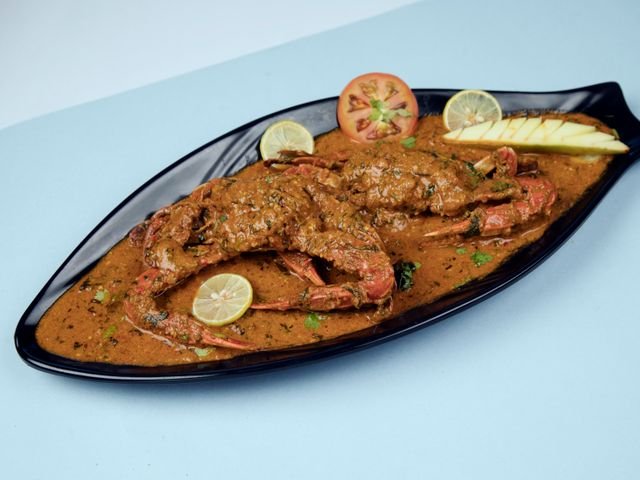
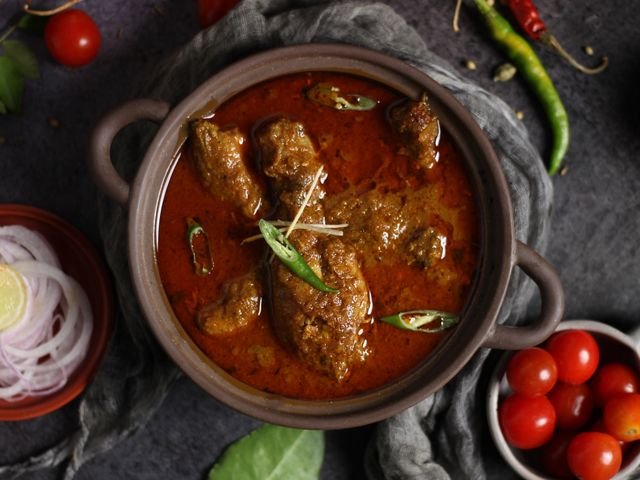
Try it in: Chicken curry, black pork curry, Jaffna crab curry and other dark curries.
2. Rich and Creamy
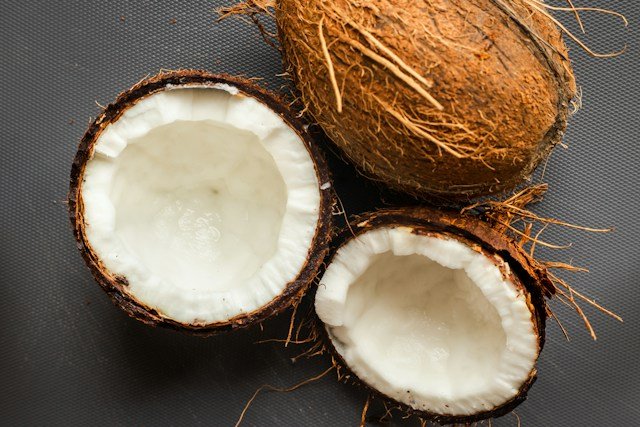
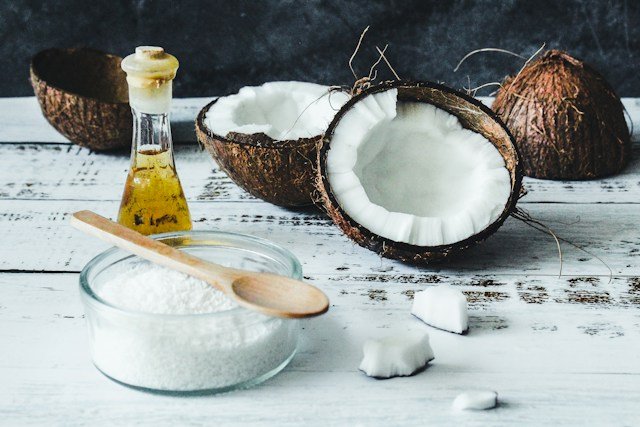
Coconut is one of the major ingredients that repeatedly appears in Sri Lankan cooking. Coconut does much more than make a curry creamy. Fresh coconut, coconut milk, coconut cream and coconut oil are all used in different ways.
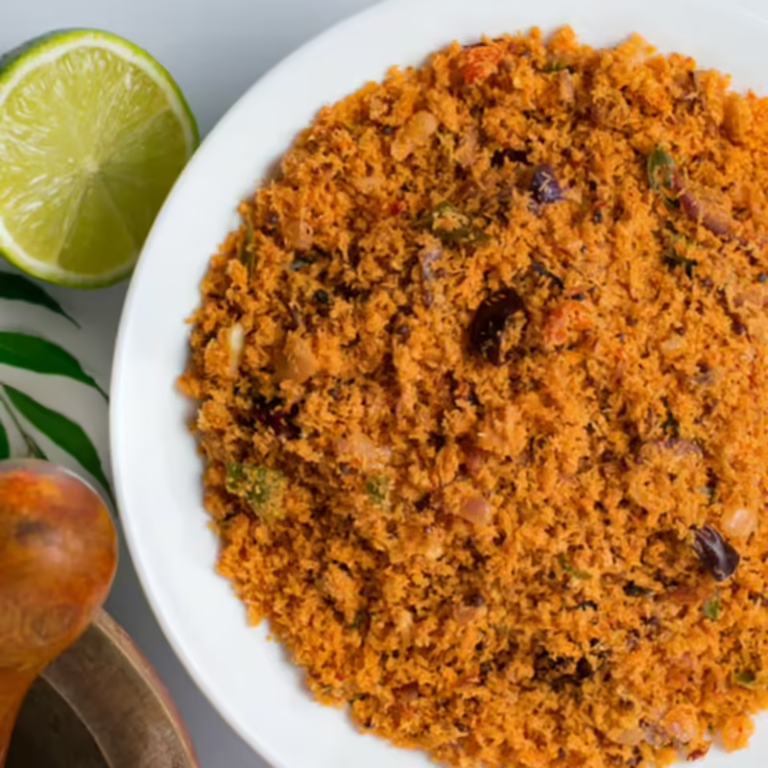
Coconut milk can soften the heat of chilli and carry the flavours of spices through a curry. Freshly grated coconut adds texture to sambols and vegetable dishes, while coconut oil brings its own subtle richness.
The result is a style of cooking that can be rich without relying on dairy.
What it tastes like: Creamy, rich, slightly sweet and tropical.
Try it in: Dhal curry, coconut sambol, kiri hodi and coconut-based vegetable curries.
3. Fiery and Hot
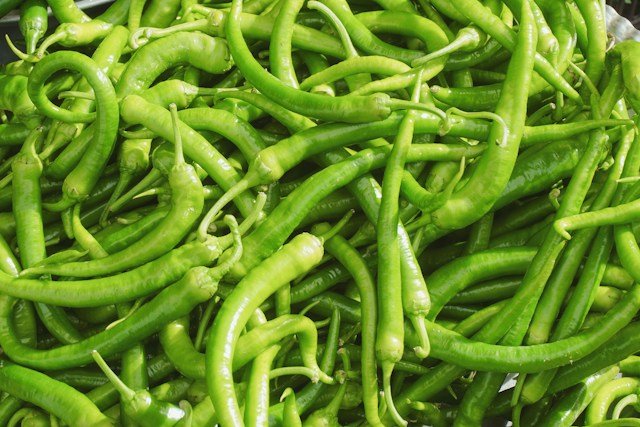
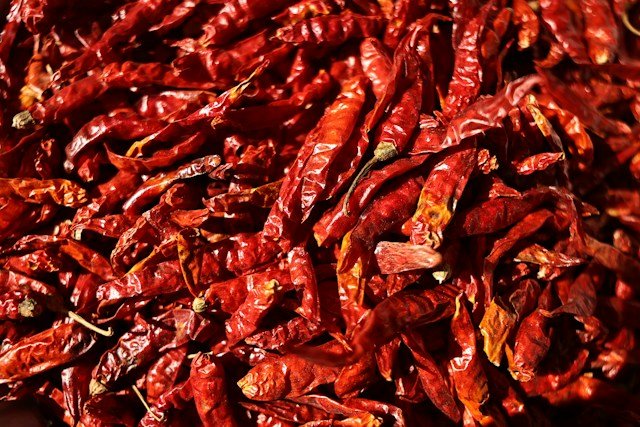
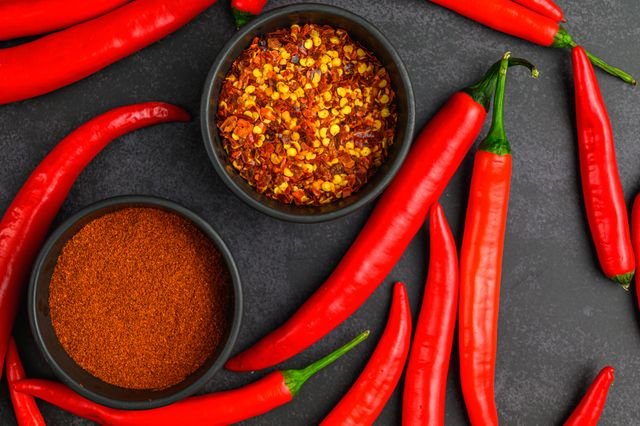
Some Sri Lankan food can be seriously hot. This comes from various types of chillies used in the dishes.
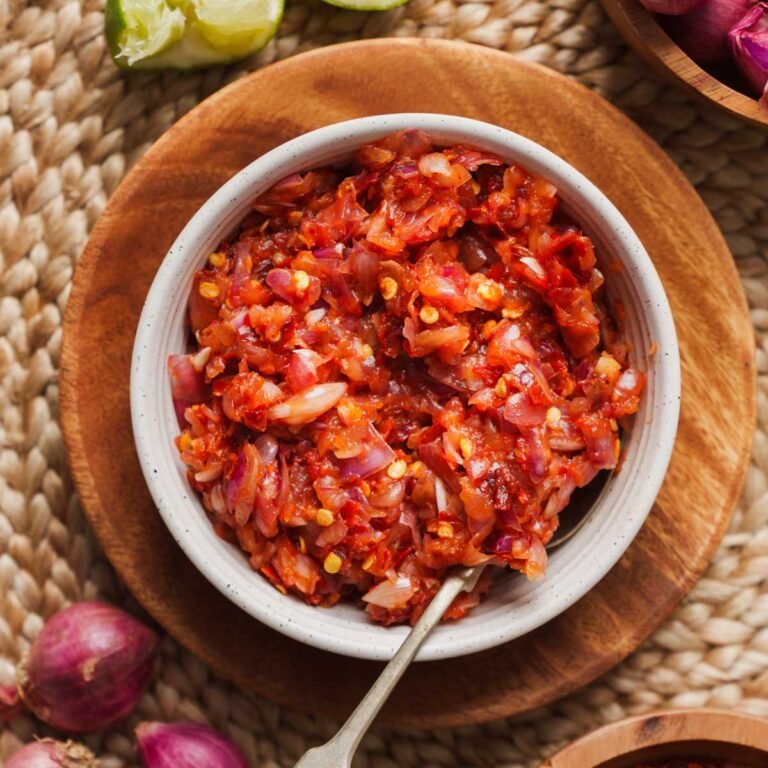
Fresh green chillies, dried red chillies and chilli flakes are used in curries, sambols, pickles and many other dishes. The amount varies from dish to dish and from cook to cook, but chilli is an important part of the cuisine.
The important thing is that chilli is not the same as spice. Cinnamon, cumin, cardamom and other spices create aroma and depth, while chilli provides heat. That distinction matters when eating Sri Lankan food. A dish can be heavily spiced without being extremely hot, or it can be both.
What it tastes like: Sharp, hot and lingering.
Try it in: Lunu miris, pol sambol, fish curry and many Sri Lankan pickles.
4. Sharp and Sour
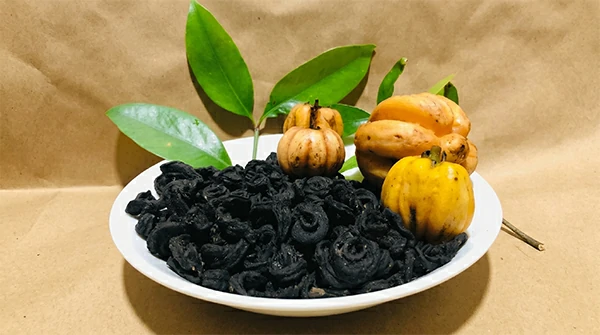
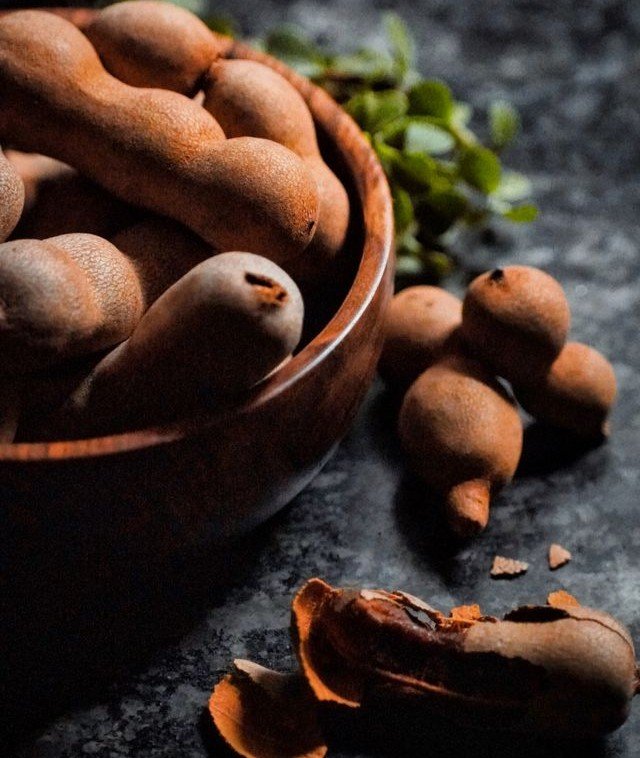
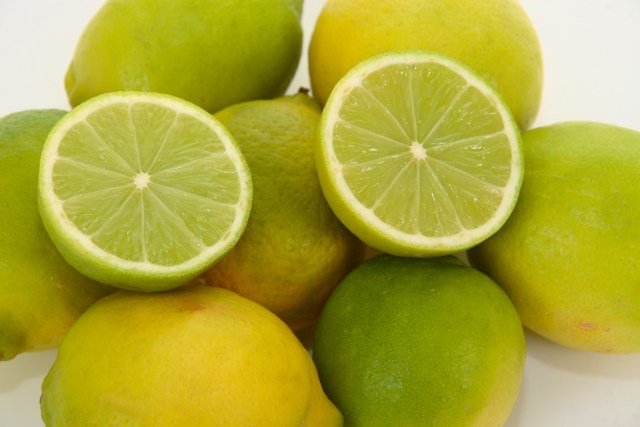
Sourness is one of the flavours that makes Sri Lankan food particularly distinctive. Lime, tamarind and, most importantly, goraka are used to give dishes a sharp or deep sour note.
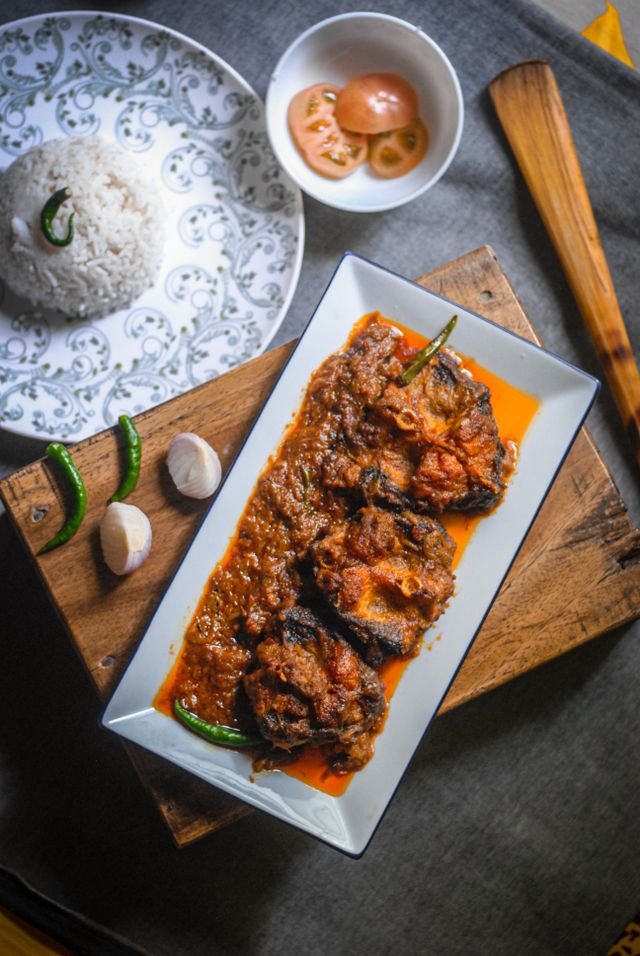
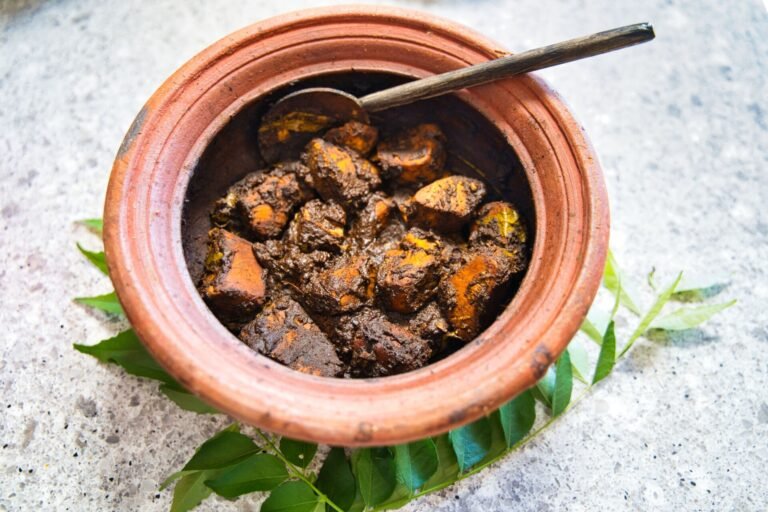
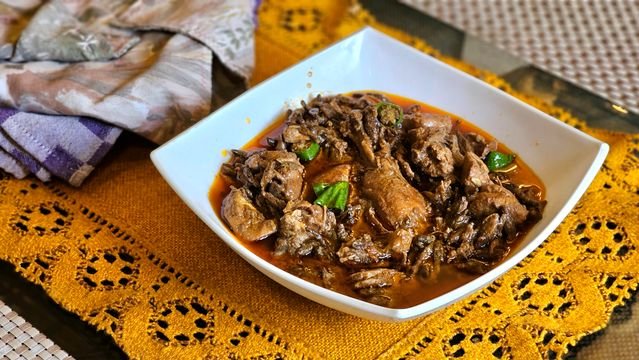
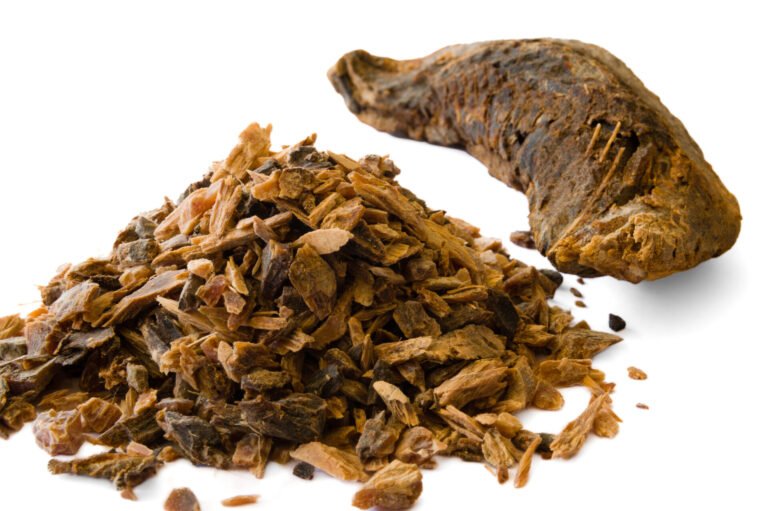
Goraka is a dried fruit used especially in fish curries. Unlike the bright acidity of lime, it gives dishes a darker, deeper sourness and works particularly well with fish and strong spices. One of the best examples is fish ambul thiyal, where pieces of fish are cooked with goraka and spices until the sauce becomes thick and intensely flavoured.
What it tastes like: Sour, sharp, fruity and sometimes slightly smoky.
Try it in: Fish ambul thiyal, sour fish curry and tamarind-based dishes.
5. Fresh and Fragrant
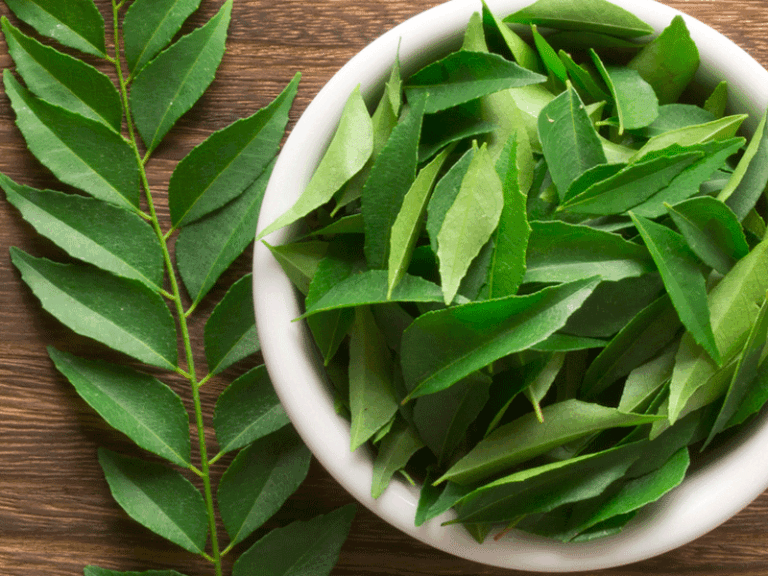
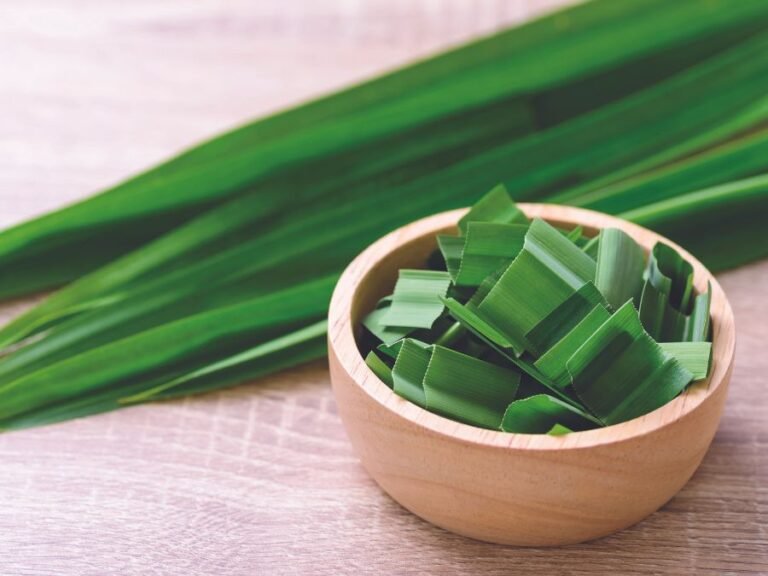
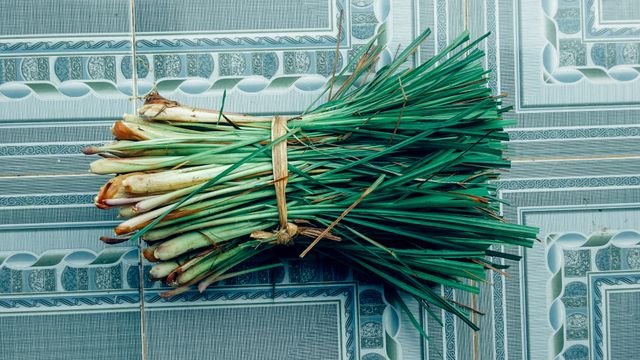
Some of the most recognisable aromas in Sri Lankan cooking don’t come from spices at all. Sri Lankans use fresh curry leaves, pandan leaves and lemongrass to add freshness and fragrant aroma to the dishes.
Fresh curry leaves are commonly added to hot oil at the beginning of cooking, releasing their fragrance before the other ingredients go into the pan. Pandan, known locally as rampe, adds another distinctive aroma. Lemongrass is widely used in meat dishes to add a fresh aroma to them.
These ingredients can be used in curries, rice and other dishes, giving food a sweet, grassy fragrance. They are easy to overlook because they are not usually the main ingredient in a dish. But remove them and something important is missing.
What it tastes like: Fresh, herbal, fragrant and slightly citrusy.
Try it in: Dhal curry, vegetable curries, rice dishes and tempered dishes.
6. Warm and Peppery
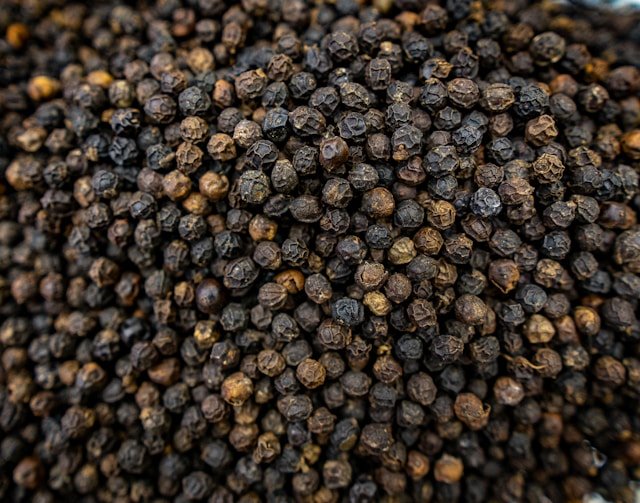
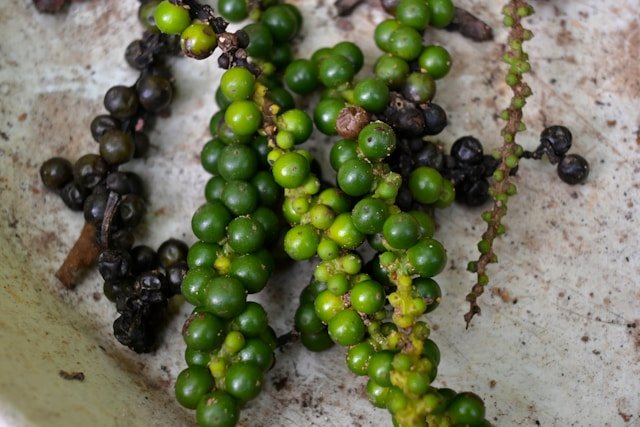
Before chilli became such an important part of Sri Lankan cooking, black pepper was already one of the island’s mostly used spices. It is still widely used today, particularly in meat, seafood, curries, sambols and pickles.
Black pepper creates a different kind of heat from chilli. Instead of the direct burn of chilli, it gives food a sharper, warmer and more aromatic heat. This is especially noticeable in pepper-heavy meat and seafood dishes.
What it tastes like: Warm, pungent, earthy and peppery.
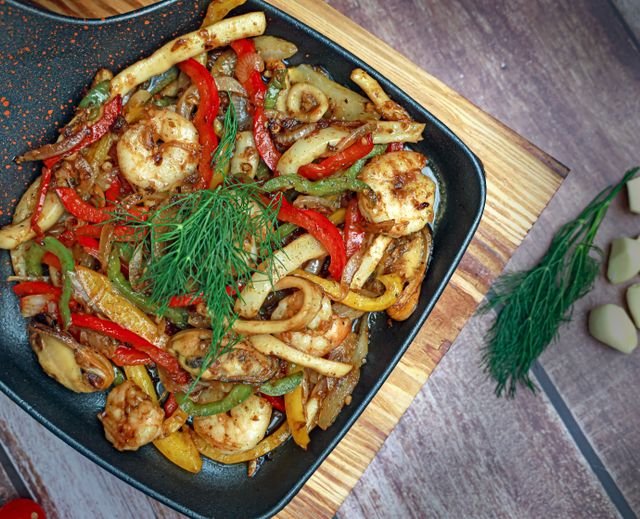
Try it in: Black pepper chicken, pepper crab and pepper-rich meat curries.
7. Savoury and Umami Flavour
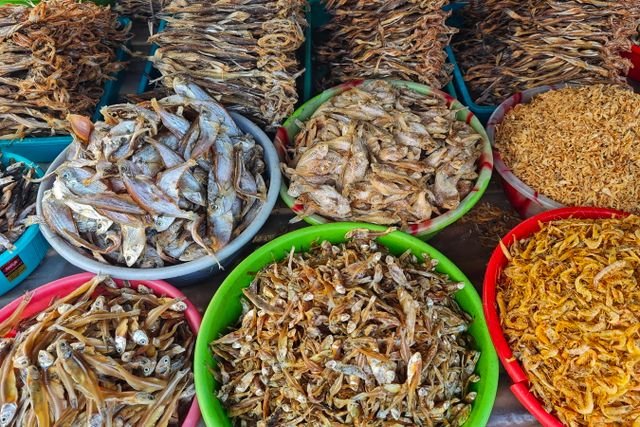
Savoury and Umami Flavour is one of the more unusual flavours you may encounter in Sri Lankan food. This distinctive flavour particularly comes from Maldive fish and other dried seafood or preserved ingredients.
Maldive fish is a dried and cured tuna product that is often pounded or finely shredded and added to sambols, curries and vegetable dishes. It doesn’t necessarily make a dish strongly fishy; instead, it adds a concentrated salty and umami quality. It is one of the reasons a simple-looking sambol or vegetable dish can have far more depth than expected.
What it tastes like: Salty, savoury, concentrated and deeply umami.
Try it in: Pol sambol, seeni sambol and various vegetable preparations.
8. Sweet and Caramelised
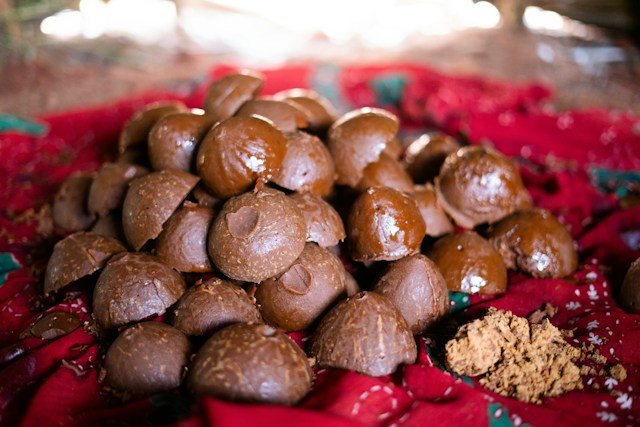
Sri Lankan cuisine does not leave sweetness only for desserts. Coconut, onions, jaggery and kithul treacle adds sweetness to Sri Lankan dishes.
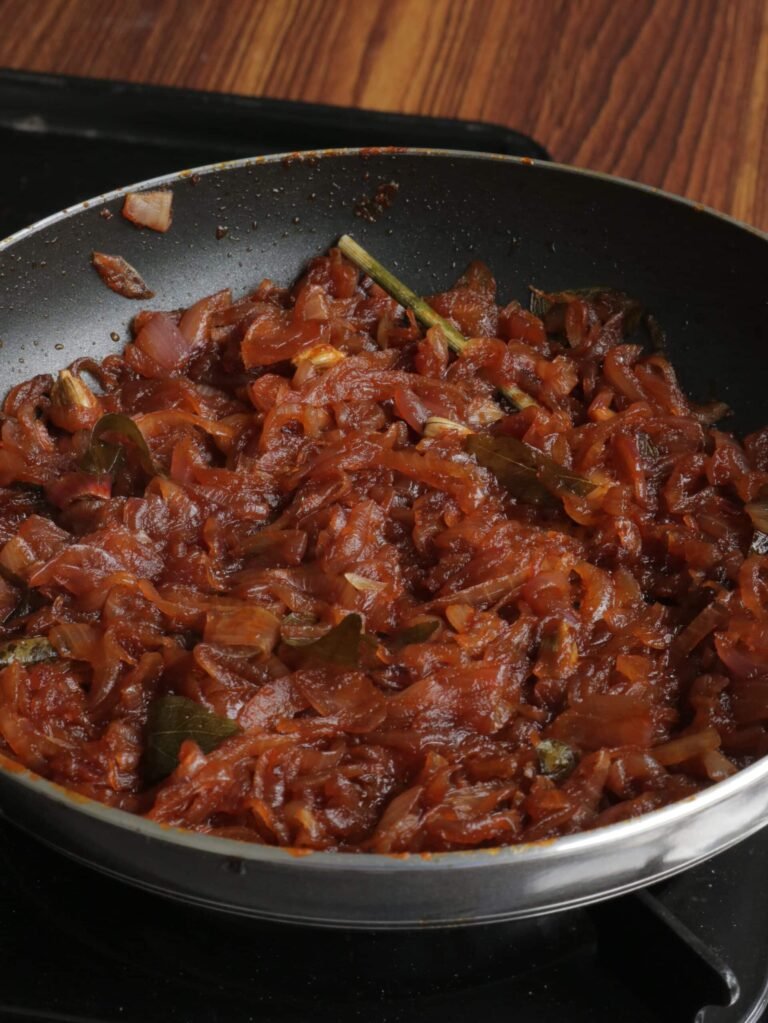
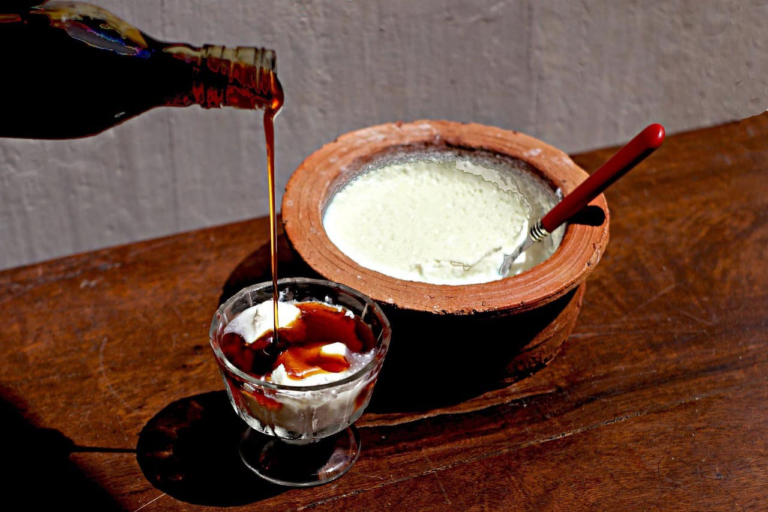
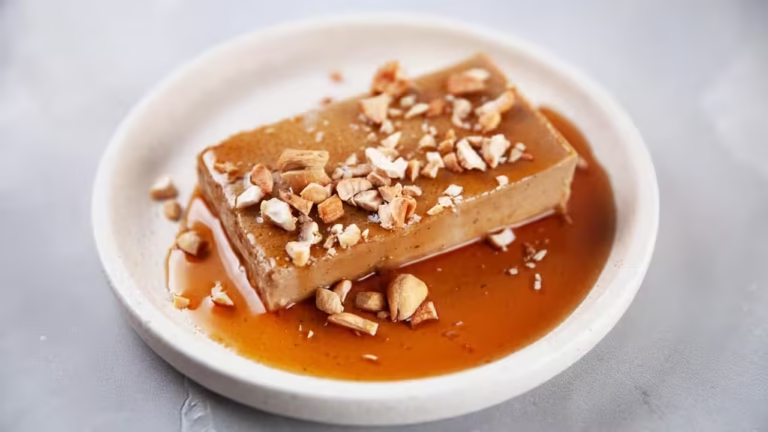
A good example is seeni sambol, where onions are cooked down with spices and chilli to create a mixture that is simultaneously sweet, spicy and savoury. Sweetness also plays a major role in traditional desserts. Kithul treacle, made from the sap of the kithul palm, is commonly paired with foods such as buffalo curd. The interesting part is how sweetness is often combined with heat, sourness or salt rather than standing alone.
What it tastes like: Sweet, caramelised, rich and sometimes smoky.
Try it in: Seeni sambol, watalappan, curd with kithul treacle and traditional sweets.
9. Fresh, Green and Slightly Bitter
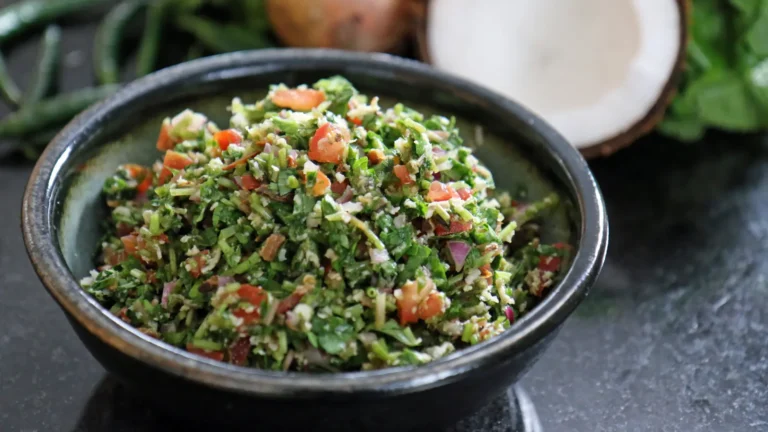
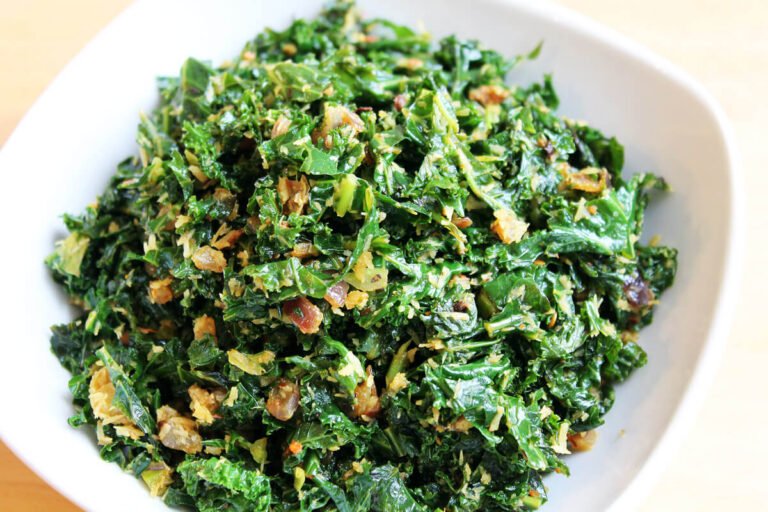
Not every Sri Lankan flavour is rich, creamy or fiery. They use fresh greens, herbs and vegetables to add grassy, earthy or slightly bitter flavour to the dishes.
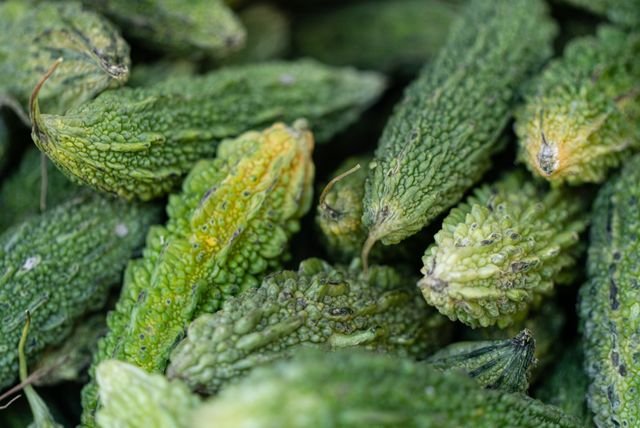
Mallung, for example, is made by finely chopping various leafy greens and combining them with coconut, chilli, onion and lime. Bitter gourd is an even stronger example. Its bitterness is not necessarily something to hide; it is part of the character of the dish. These flavours provide an important contrast to rich curries and coconut-based dishes.
What it tastes like: Fresh, green, earthy, grassy or bitter.
Try it in: Gotukola sambol, mallung and bitter gourd curry.
10. A Mix of Contrasting Flavours
Perhaps the most distinctive “flavour” of Sri Lankan cuisine is not a single ingredient at all. It is contrast.
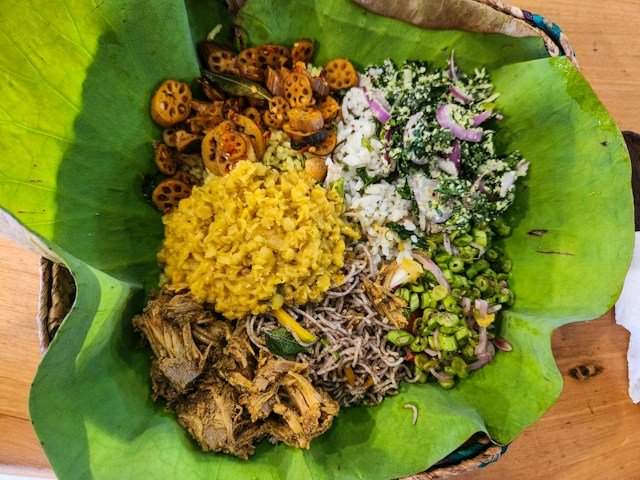
A traditional rice and curry meal can bring several very different flavours together: creamy dhal, spicy sambol, sour fish, sweet onion relish, earthy vegetables, fresh greens and fragrant rice.
You are not necessarily meant to eat each dish separately. Mixing different curries and accompaniments with rice creates new combinations with every mouthful. One bite might be creamy and mild. The next could be hot and sour. Then comes something sweet, salty or crunchy.
That is what makes Sri Lankan food particularly interesting. Its identity does not come from one signature spice or one dominant taste. It comes from the way heat, sourness, sweetness, richness, bitterness, saltiness and aroma are balanced against each other.
What Makes Sri Lankan Cuisine Different?
Sri Lankan cuisine shares ingredients and influences with many other parts of South and Southeast Asia, so it would be wrong to say that every ingredient is unique to the island.
What is distinctive is the combination. Roasted spices give depth. Coconut adds richness. Chilli brings heat. Goraka brings sourness. Curry leaves and pandan provide fragrance. Black pepper adds warmth. Maldive fish brings savoury depth, while sambols and other accompaniments introduce fresh, sharp and contrasting flavours.
And rather than serving one large curry as the centre of a meal, Sri Lankan rice and curry traditionally brings several different dishes together.
That is why the best way to understand Sri Lankan food is not to ask, “What does it taste like?”
It is to ask: “What does it taste like next to everything else on the plate?”